Wilde Lake, one of the most iconic features of Columbia, Maryland, has a rich history that intertwines with the broader narrative of the community’s development. Established in the early 1970s, Wilde Lake was part of the vision set forth by James Rouse, the founder of Columbia. Rouse’s innovative approach to urban planning sought to create a community that emphasized harmony between nature and residential living.
The lake itself was designed not merely as a body of water but as a central element that would foster community interaction and enhance the quality of life for residents. The development of Wilde Lake was a pivotal moment in Columbia’s history, marking the transition from a largely rural landscape to a thoughtfully designed urban environment. The construction of Wilde Lake was not just about aesthetics; it was also a strategic move to promote social cohesion among residents.
The lake served as a gathering place, encouraging recreational activities and community events. Its creation was part of a larger plan that included residential neighborhoods, commercial areas, and public spaces, all designed to be interconnected. As Columbia grew, Wilde Lake became a symbol of the community’s commitment to preserving natural beauty while providing modern amenities.
The lake’s role in Columbia’s development is a testament to the foresight of its planners, who understood that a vibrant community requires both functional spaces and places for leisure and connection.
Key Takeaways
- Wilde Lake was created as a central feature of Columbia, Maryland, in the 1960s as part of James Rouse’s vision for a planned community.
- The planning and design of Wilde Lake focused on creating a sustainable and environmentally friendly space that would serve as a recreational and cultural hub for the community.
- Wilde Lake plays a crucial role in providing a natural habitat for wildlife and promoting outdoor recreational activities for residents of Columbia.
- The cultural and community impact of Wilde Lake is evident in the various events and activities that take place around the lake, bringing people together and fostering a sense of community.
- The future development and preservation of Wilde Lake will continue to focus on maintaining its environmental integrity and providing recreational opportunities for the community, while also promoting sustainable living practices in Columbia.
The Planning and Design of Wilde Lake as a Central Feature of Columbia
The planning and design of Wilde Lake were integral to the overall vision for Columbia as a new town. The lake was conceived as a centerpiece around which neighborhoods would be built, creating a sense of place and identity for residents. The design process involved extensive research and community input, ensuring that the lake would meet the needs and desires of those who would live nearby.
Landscape architects and urban planners worked collaboratively to create an environment that balanced ecological considerations with human activity. This careful planning resulted in a lake that not only serves as a recreational area but also enhances the aesthetic appeal of the surrounding neighborhoods. Incorporating walking paths, picnic areas, and playgrounds into the design of Wilde Lake was essential for fostering community engagement.
The planners envisioned a space where families could gather, children could play, and individuals could enjoy nature. The integration of these features reflects a broader trend in urban design during the late 20th century, which emphasized walkability and accessibility. By situating Wilde Lake at the heart of Columbia, the planners ensured that it would be easily accessible to all residents, promoting an active lifestyle and encouraging social interaction among neighbors.
The Environmental and Recreational Importance of Wilde Lake

Wilde Lake plays a crucial role in maintaining the environmental health of Columbia. As an artificial lake, it serves multiple ecological functions, including stormwater management and habitat provision for various species. The lake’s design incorporates natural filtration systems that help maintain water quality while also providing a habitat for aquatic life.
This ecological aspect is vital in urban settings where natural landscapes are often compromised by development. Wilde Lake stands as an example of how urban planning can incorporate environmental stewardship into its framework. Recreationally, Wilde Lake offers a plethora of activities for residents and visitors alike.
From kayaking and canoeing to fishing and birdwatching, the lake provides opportunities for outdoor recreation that enhance physical well-being and mental health. The surrounding parkland features trails for walking, jogging, and cycling, making it an ideal location for those seeking an active lifestyle. Community events such as summer concerts and seasonal festivals are often held at or near the lake, further solidifying its role as a recreational hub within Columbia.
The combination of environmental benefits and recreational opportunities makes Wilde Lake an invaluable asset to the community.
The Cultural and Community Impact of Wilde Lake on Columbia
Wilde Lake has significantly influenced the cultural fabric of Columbia, serving as a focal point for community gatherings and events. Its scenic beauty and tranquil setting have made it a popular venue for festivals, art shows, and concerts that celebrate local talent and foster community spirit. These events not only provide entertainment but also strengthen social ties among residents, creating a sense of belonging that is essential in any thriving community.
The lake has become synonymous with Columbia’s identity, representing both its natural beauty and its commitment to community engagement. Moreover, Wilde Lake has been instrumental in promoting cultural diversity within Columbia. The events held at the lake often reflect the multicultural makeup of the community, showcasing various traditions through food, music, and art.
This inclusivity fosters understanding and appreciation among residents from different backgrounds, reinforcing Columbia’s reputation as a welcoming place for all. The lake serves as a canvas upon which the diverse stories of its residents can be painted, making it not just a physical space but also a cultural landmark that embodies the values of unity and diversity.
The Future Development and Preservation of Wilde Lake
As Columbia continues to evolve, the future development and preservation of Wilde Lake remain critical considerations for city planners and community stakeholders. Balancing growth with environmental sustainability is paramount to ensuring that the lake retains its ecological integrity while meeting the needs of an expanding population. Ongoing assessments are necessary to monitor water quality, wildlife habitats, and recreational facilities to ensure they align with best practices in environmental management.
Community involvement is also essential in shaping the future of Wilde Lake. Engaging residents in discussions about potential developments or enhancements can lead to innovative solutions that reflect their desires while preserving the lake’s natural beauty. Initiatives such as volunteer clean-up days or educational programs about local ecology can foster stewardship among residents, ensuring that they feel invested in the lake’s future.
By prioritizing both development and preservation, Columbia can maintain Wilde Lake as a cherished resource for generations to come.
The Wildlife and Ecosystem of Wilde Lake
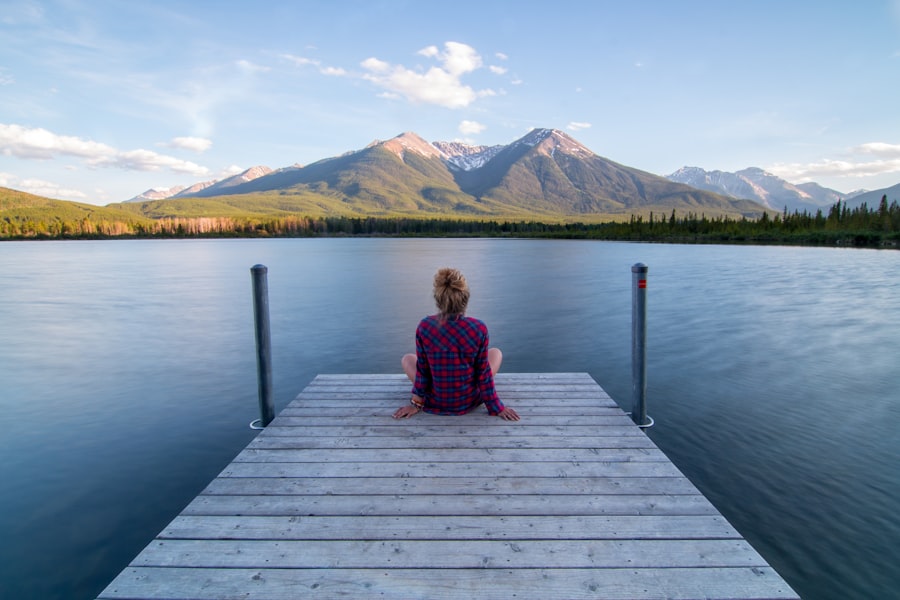
Wilde Lake is home to a diverse array of wildlife that contributes to its ecological richness. Various species of birds can be spotted throughout the year, including migratory waterfowl during certain seasons. The presence of these birds not only enhances the aesthetic appeal of the lake but also indicates a healthy ecosystem that supports various life forms.
Additionally, fish species such as bass and bluegill thrive in the waters, attracting anglers who appreciate both sport fishing and the tranquility that comes with it. The surrounding vegetation plays an equally important role in supporting wildlife at Wilde Lake. Native plants provide essential habitats for insects and small mammals while contributing to the overall health of the ecosystem through natural filtration processes.
Efforts to maintain these habitats are crucial for preserving biodiversity within this urban setting. Educational programs aimed at raising awareness about local wildlife can further enhance community appreciation for the natural world surrounding Wilde Lake.
The Role of Wilde Lake in Promoting Sustainable Living in Columbia
Wilde Lake serves as a model for sustainable living within Columbia by demonstrating how urban development can coexist harmoniously with nature. Its design incorporates principles of sustainability such as water conservation, habitat preservation, and community engagement in environmental stewardship. By providing green spaces that encourage outdoor activities, Wilde Lake promotes an active lifestyle while reducing reliance on motorized transportation for recreation.
Moreover, initiatives aimed at enhancing sustainability around Wilde Lake have gained traction among residents. Community gardens have been established nearby to promote local food production while educating residents about sustainable agricultural practices. These efforts not only contribute to food security but also foster connections among neighbors who share an interest in sustainability.
By positioning itself as a leader in sustainable living practices, Wilde Lake reinforces Columbia’s commitment to creating an environmentally responsible community.
The Significance of Wilde Lake in the Overall Vision of Columbia as a Planned Community
Wilde Lake is emblematic of Columbia’s overarching vision as a planned community that prioritizes quality of life through thoughtful design and environmental stewardship. Its integration into the fabric of daily life reflects James Rouse’s original vision: to create a place where people could live harmoniously with nature while enjoying modern conveniences. As one of Columbia’s first neighborhoods, Wilde Lake set a precedent for future developments within the area.
The significance of Wilde Lake extends beyond its physical presence; it embodies the principles upon which Columbia was founded—community engagement, environmental responsibility, and cultural diversity. As new developments arise within Columbia, they often look to Wilde Lake as an example of how to create spaces that foster connection among residents while respecting natural ecosystems. In this way, Wilde Lake remains not just a feature within Columbia but also a guiding force in shaping its future as a vibrant planned community committed to sustainability and inclusivity.
FAQs
What is Wilde Lake?
Wilde Lake is the first man-made lake in Columbia, Maryland, which is a planned community located in Howard County.
When was Wilde Lake created?
Wilde Lake was created in 1967 as part of the development of Columbia, Maryland.
What is the significance of Wilde Lake?
Wilde Lake holds historical significance as the first of the three lakes in Columbia, and it serves as a focal point for recreational activities and community events.
What recreational activities are available at Wilde Lake?
Wilde Lake offers opportunities for boating, fishing, and picnicking, as well as access to walking and biking trails around the lake.
How does Wilde Lake contribute to the community of Columbia, Maryland?
Wilde Lake serves as a gathering place for community events, such as outdoor concerts, festivals, and other cultural activities, and it provides a scenic backdrop for the surrounding residential and commercial areas.