The Slayton House, a prominent landmark in Columbia, Maryland, has a rich history that reflects the broader narrative of the region’s development. Built in the early 1970s, the house was named after its first residents, the Slayton family, who played a significant role in the establishment of Columbia as a planned community. The vision for Columbia was conceived by James Rouse, a developer who sought to create a model city that emphasized community living, environmental sustainability, and social equity.
The Slayton House was designed to embody these ideals, serving as a community center that would foster interaction among residents. Over the years, the Slayton House has undergone various transformations, adapting to the changing needs of the community. Initially serving as a private residence, it was later repurposed to accommodate community events and activities.
This shift marked a pivotal moment in its history, as it began to function as a hub for cultural and social engagement. The house has witnessed countless gatherings, from neighborhood meetings to art exhibitions, reflecting the evolving identity of Columbia and its residents. The Slayton House stands not only as a physical structure but also as a testament to the community’s commitment to collaboration and inclusivity.
Key Takeaways
- Slayton House has a rich history dating back to the 1960s, when it was built as a community center for the newly developed Wilde Lake village in Columbia, Maryland.
- The Slayton House holds cultural significance as a hub for arts, education, and community events, fostering a sense of belonging and creativity among residents.
- The house offers a variety of programs and events, including art classes, theater productions, and community gatherings, catering to people of all ages and interests.
- The architecture and design of the Slayton House reflect a blend of modern and traditional elements, with its unique structure and spacious interior serving as a focal point for the community.
- The Slayton House plays a vital role in the community by providing a space for residents to come together, celebrate diversity, and support local artists and performers.
- Wilde Lake holds historical importance in Maryland, as it was the first of Columbia’s ten villages to be developed, showcasing the vision of its founder, James Rouse.
- The environmental impact of Wilde Lake is significant, as it serves as a habitat for various wildlife and contributes to the overall ecological balance of the region.
- The future of the Slayton House and Wilde Lake is promising, with ongoing efforts to preserve their historical and cultural significance, while also adapting to the changing needs of the community and the environment.
The Cultural Significance of the Slayton House
The cultural significance of the Slayton House extends beyond its architectural features; it serves as a symbol of community cohesion and shared values. As a gathering place for residents, it has hosted numerous cultural events that celebrate the diversity of Columbia. From art shows featuring local artists to performances by community theater groups, the Slayton House has become a canvas for creative expression.
These events not only showcase local talent but also foster a sense of belonging among residents, reinforcing the idea that culture is best experienced collectively. Moreover, the Slayton House plays a crucial role in preserving the history and heritage of Columbia. It serves as a repository for stories and memories that define the community’s identity.
Through oral histories and archival materials, residents can connect with their past and understand how their experiences contribute to the larger narrative of Columbia. This cultural preservation is vital in an era where rapid urbanization often threatens local histories. The Slayton House stands as a reminder of the importance of maintaining cultural continuity while embracing change.
Programs and Events at the Slayton House
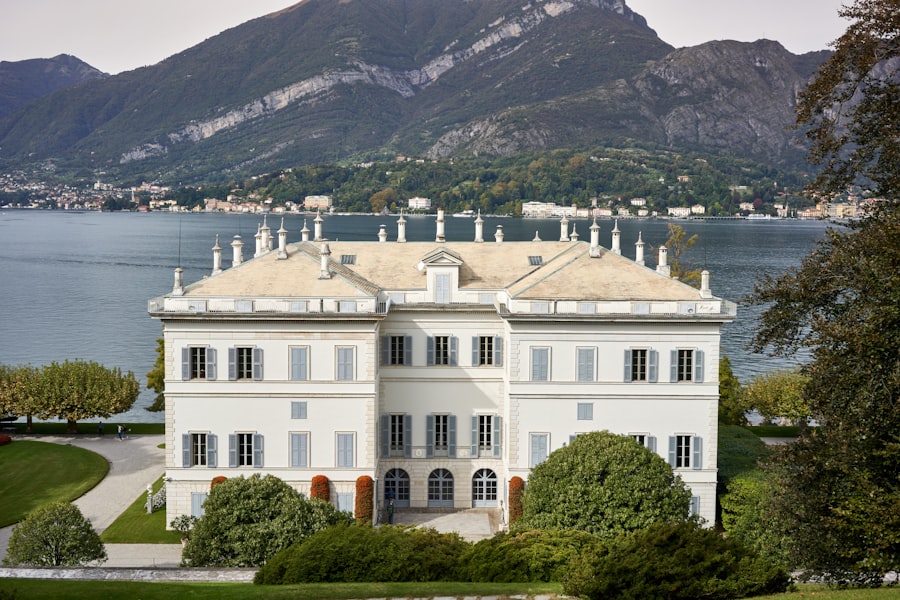
The Slayton House is renowned for its diverse array of programs and events that cater to residents of all ages. Regularly scheduled activities include workshops, lectures, and social gatherings that encourage participation and engagement. For instance, art classes for children and adults alike provide opportunities for creative exploration, while health and wellness seminars promote healthy living within the community.
These programs are designed not only to entertain but also to educate and empower residents, fostering a culture of lifelong learning. In addition to regular programming, the Slayton House hosts seasonal events that draw large crowds and create a festive atmosphere. Annual celebrations such as holiday festivals and summer concerts in the park bring together families and friends, reinforcing community bonds.
These events often feature local vendors, musicians, and artists, showcasing the talents within Columbia while supporting small businesses. The Slayton House thus serves as a vital platform for community engagement, where residents can come together to celebrate their shared identity and values.
The Architecture and Design of the Slayton House
The architectural design of the Slayton House is emblematic of the mid-20th century modernist movement, characterized by clean lines, open spaces, and an emphasis on functionality. Designed by notable architects who were influenced by the principles of organic architecture, the house integrates seamlessly with its natural surroundings. Large windows allow for ample natural light while providing stunning views of the adjacent landscapes, creating a harmonious relationship between indoor and outdoor spaces.
The interior layout of the Slayton House is equally noteworthy, featuring flexible spaces that can be adapted for various uses. The open floor plan encourages interaction among visitors and fosters a sense of community. Additionally, sustainable design elements were incorporated into its construction, reflecting the environmental ethos that underpins Columbia’s development.
Features such as energy-efficient systems and eco-friendly materials highlight the commitment to sustainability that remains central to the identity of both the Slayton House and Columbia as a whole.
The Role of the Slayton House in the Community
The Slayton House serves as more than just a physical space; it is a vital component of Columbia’s social fabric. By providing a venue for community meetings and discussions, it empowers residents to voice their concerns and collaborate on solutions to local issues. This participatory approach fosters civic engagement and encourages individuals to take an active role in shaping their community’s future.
The house has become synonymous with grassroots activism, where residents come together to advocate for causes that matter to them. Furthermore, the Slayton House acts as a bridge between different generations within Columbia. Programs designed for youth often involve mentorship opportunities with older residents, creating intergenerational connections that enrich the community experience.
This exchange of knowledge and perspectives not only strengthens relationships but also cultivates a sense of responsibility among younger generations to carry forward the values instilled by their predecessors. In this way, the Slayton House plays an essential role in nurturing a vibrant and inclusive community.
The Importance of Wilde Lake in Maryland’s History
Wilde Lake is not merely a picturesque body of water; it holds significant historical importance within Maryland’s broader narrative. Created as part of Columbia’s planned development in the 1960s, Wilde Lake was designed to enhance the quality of life for residents by providing recreational opportunities and natural beauty. The lake serves as a focal point for outdoor activities such as fishing, kayaking, and picnicking, drawing both locals and visitors alike to its serene shores.
Historically, Wilde Lake has also been a site for environmental conservation efforts aimed at preserving local ecosystems. The surrounding area is home to diverse flora and fauna, making it an important habitat for wildlife. Conservation initiatives have focused on maintaining water quality and protecting natural habitats from urban encroachment.
This commitment to environmental stewardship reflects Maryland’s broader efforts to balance development with ecological preservation, ensuring that future generations can enjoy the natural beauty that Wilde Lake offers.
The Environmental Impact of Wilde Lake
The environmental impact of Wilde Lake extends beyond its immediate surroundings; it plays a crucial role in maintaining ecological balance within the region. As an artificial lake, it was designed with specific hydrological considerations in mind, helping to manage stormwater runoff and mitigate flooding risks in nearby areas. The lake acts as a natural filtration system, improving water quality by trapping sediments and pollutants before they can enter larger water bodies.
Moreover, Wilde Lake serves as an educational resource for environmental awareness and conservation efforts within Columbia. Local schools often organize field trips to explore its ecosystems, allowing students to engage with nature firsthand. These educational initiatives foster a sense of stewardship among young residents, encouraging them to appreciate and protect their natural environment.
By promoting environmental literacy through hands-on experiences at Wilde Lake, Columbia is cultivating a generation that values sustainability and ecological responsibility.
The Future of the Slayton House and Wilde Lake
Looking ahead, both the Slayton House and Wilde Lake face opportunities and challenges that will shape their roles within the community. As Columbia continues to evolve, there is potential for further integration of technology into programming at the Slayton House. Virtual events could expand access to those unable to attend in person while maintaining community engagement through digital platforms.
Additionally, ongoing renovations may enhance accessibility features, ensuring that all residents can participate fully in activities offered at this historic site. Similarly, Wilde Lake’s future will depend on continued efforts toward environmental conservation amidst urban development pressures. Community initiatives aimed at preserving water quality and protecting surrounding habitats will be essential in maintaining its ecological integrity.
Collaborative partnerships between local government agencies, environmental organizations, and residents will play a pivotal role in safeguarding Wilde Lake for future generations. As both the Slayton House and Wilde Lake continue to adapt to changing circumstances, they will remain integral components of Columbia’s identity—symbols of resilience, community spirit, and environmental stewardship.
FAQs
What is the Slayton House?
The Slayton House is a community center located in the Wilde Lake village of Columbia, Maryland. It serves as a cultural and recreational hub for the community.
What facilities are available at the Slayton House?
The Slayton House offers a variety of facilities including art galleries, meeting rooms, a theater, and outdoor spaces for events and activities.
What cultural events take place at the Slayton House?
The Slayton House hosts a wide range of cultural events including art exhibitions, musical performances, theater productions, and community festivals.
Is the Slayton House open to the public?
Yes, the Slayton House is open to the public and welcomes visitors to participate in its programs and events.
What is the significance of the Slayton House in the Wilde Lake community?
The Slayton House is considered the cultural heart of the Wilde Lake community, providing a space for residents to come together, celebrate the arts, and engage in recreational activities.