Downtown Columbia, South Carolina, has a rich and storied history that dates back to its founding in the early 19th century. Established in 1786 as the state capital, Columbia was strategically chosen for its central location, making it accessible to citizens from all corners of South Carolina. The city was designed with a grid layout, which was a common practice during that era, and it quickly became a hub for commerce and governance.
The early years saw the construction of significant buildings, including the South Carolina State House, which remains a prominent feature of the downtown landscape today. This period was marked by a burgeoning population and the establishment of various businesses that catered to the needs of residents and travelers alike. As Columbia grew, it became a melting pot of cultures and ideas.
The early 19th century was characterized by the arrival of various immigrant groups, each contributing to the city’s unique character. The economy was primarily agrarian, with cotton being the dominant crop, which in turn fueled the growth of related industries. The downtown area began to flourish with shops, taverns, and markets that served both locals and visitors.
However, this growth was not without its challenges; the Civil War brought significant turmoil to the region, leading to destruction and economic hardship. Despite these setbacks, the resilience of the community shone through as they rebuilt and adapted to changing circumstances.
Key Takeaways
- Downtown Columbia has a rich history dating back to its early years, with a focus on community and cultural diversity.
- The growth and development of Downtown Columbia has been significant, with a blend of past and present influences shaping its current landscape.
- The transformation of Downtown Columbia is ongoing, with a focus on sustainable development and green initiatives for the future.
- Urban planning has played a crucial role in shaping Downtown Columbia’s present, with a vision for continued growth and development in the future.
- The future vision for Downtown Columbia includes a focus on technology, community, and cultural diversity to shape its evolving landscape.
The Growth and Development of Downtown Columbia: Past and Present
Architectural Evolution
The architectural landscape began to reflect a mix of styles, from neoclassical to Victorian, showcasing the city’s evolving identity. As businesses thrived, so did the need for public services, leading to the establishment of schools, libraries, and parks that enriched community life.
Urban Revitalization
In recent years, Downtown Columbia has experienced a renaissance fueled by urban revitalization efforts. The city has invested in infrastructure improvements, including enhanced public transportation options and pedestrian-friendly walkways. These initiatives have not only made downtown more accessible but have also attracted new businesses and residents.
A Vibrant Mix of Past and Present
Today, downtown is a vibrant mix of historic charm and modern amenities, with restaurants, shops, and cultural venues that reflect both its past and its aspirations for the future.
The Transformation of Downtown Columbia: Present
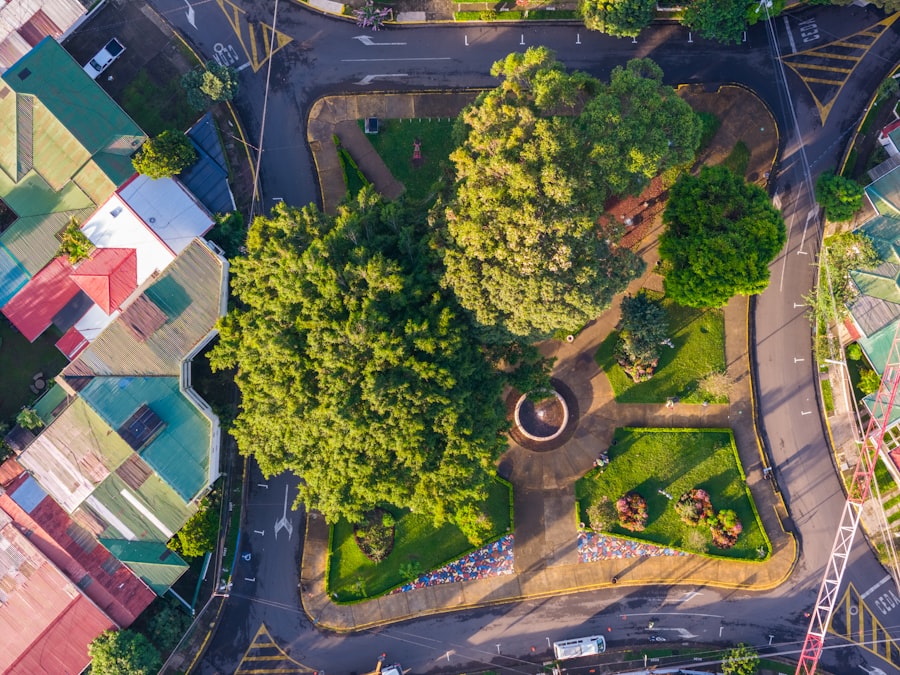
The transformation of Downtown Columbia is evident in its dynamic streetscapes and bustling atmosphere. Once characterized by vacant lots and underutilized buildings, the area has undergone significant redevelopment in recent years. New mixed-use developments have emerged, combining residential units with retail spaces to create a lively urban environment.
This shift has not only increased housing options but has also fostered a sense of community among residents who now have easy access to amenities right at their doorstep. Cultural institutions have played a pivotal role in this transformation as well. The Columbia Museum of Art and the Koger Center for the Arts have become focal points for cultural engagement, hosting exhibitions, performances, and events that draw both locals and visitors.
Additionally, public art installations have sprouted throughout downtown, adding vibrancy and character to the urban landscape. Events such as the Famously Hot New Year celebration and various farmers’ markets have further solidified downtown’s reputation as a cultural hub, attracting diverse crowds and fostering community connections.
The Impact of Urban Planning on Downtown Columbia: Present
Urban planning has been instrumental in shaping the current landscape of Downtown Columbia. City planners have embraced a vision that prioritizes walkability, sustainability, and community engagement. Zoning regulations have been updated to encourage mixed-use developments that blend residential, commercial, and recreational spaces.
This approach not only enhances the quality of life for residents but also stimulates economic growth by attracting businesses that cater to a diverse clientele. Moreover, public spaces have been thoughtfully designed to promote social interaction and community gatherings. The revitalization of parks such as Finlay Park has provided green spaces for relaxation and recreation amidst the urban environment.
These areas serve as venues for festivals, concerts, and other community events that foster a sense of belonging among residents. The emphasis on creating inviting public spaces reflects a broader trend in urban planning that recognizes the importance of community cohesion in enhancing urban life.
The Future Vision for Downtown Columbia: Future
Looking ahead, the future vision for Downtown Columbia is one of continued growth and innovation. City leaders are committed to fostering an inclusive environment that accommodates diverse populations while promoting economic development. Plans are underway to enhance public transportation options further, making it easier for residents to navigate the city without relying solely on personal vehicles.
This initiative aligns with broader trends in urban planning that prioritize sustainable transportation solutions. Additionally, there is a strong focus on preserving the historical character of downtown while integrating modern design elements. Future developments are expected to incorporate green building practices and energy-efficient technologies that align with sustainability goals.
By balancing preservation with innovation, Downtown Columbia aims to create a vibrant urban environment that honors its past while embracing the future.
Sustainable Development and Green Initiatives: Future
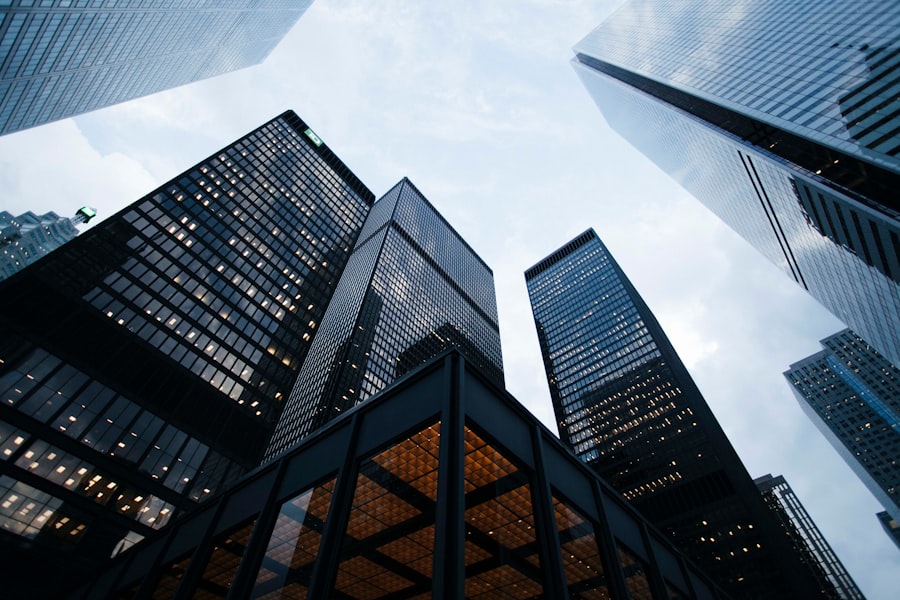
Sustainable development is at the forefront of Downtown Columbia’s future planning efforts. Recognizing the importance of environmental stewardship, city officials are implementing green initiatives that promote eco-friendly practices throughout the urban landscape. One such initiative is the expansion of green spaces within downtown, which not only enhances aesthetics but also contributes to improved air quality and biodiversity.
The integration of renewable energy sources into new developments is another key aspect of this sustainability vision. Solar panels are being incorporated into building designs, allowing structures to generate their own energy while reducing reliance on fossil fuels. Furthermore, initiatives aimed at increasing recycling rates and reducing waste are being prioritized as part of a comprehensive approach to sustainability.
These efforts reflect a growing awareness among residents and city leaders alike about the need for responsible environmental practices in urban settings.
The Role of Technology in Shaping Downtown Columbia: Future
Technology is poised to play a transformative role in shaping the future of Downtown Columbia. As cities around the world embrace smart technology solutions, Columbia is no exception. Plans are being developed to implement smart infrastructure that enhances connectivity and improves quality of life for residents.
This includes initiatives such as smart traffic management systems that optimize traffic flow and reduce congestion in busy areas. Moreover, advancements in communication technology are facilitating greater community engagement. Digital platforms are being utilized to gather feedback from residents on proposed developments and initiatives, ensuring that diverse voices are heard in decision-making processes.
Additionally, high-speed internet access is being prioritized as a means to support local businesses and attract new residents who rely on technology for work and leisure activities. By leveraging technology effectively, Downtown Columbia aims to create an interconnected urban environment that meets the needs of its residents while fostering innovation.
The Community and Cultural Diversity of Downtown Columbia: Past, Present, and Future
The community fabric of Downtown Columbia is woven from a rich tapestry of cultural diversity that has evolved over centuries. Historically, various immigrant groups have settled in Columbia, each contributing unique traditions, cuisines, and perspectives that enrich the local culture. This diversity is reflected in the vibrant arts scene, culinary offerings, and community events that celebrate different heritages.
In contemporary times, efforts to promote inclusivity continue to shape downtown’s identity. Community organizations work tirelessly to ensure that all voices are represented in discussions about development and cultural programming. Events such as cultural festivals highlight this commitment by showcasing music, dance, art, and food from various cultures within the community.
Looking forward, there is a strong desire among residents to further embrace this diversity by creating spaces where different cultures can interact and collaborate. As Downtown Columbia moves into the future, fostering an inclusive environment will remain paramount. Initiatives aimed at supporting minority-owned businesses and promoting equitable access to resources will be essential in ensuring that all community members can thrive in this evolving urban landscape.
By celebrating its rich history while embracing contemporary diversity, Downtown Columbia is poised to become a model for inclusive urban development in the years ahead.
FAQs
What is the history of Downtown Columbia, Maryland?
Downtown Columbia was founded in 1967 as a planned community by developer James Rouse. It was designed to be a “city within a city” and was one of the first successful examples of a planned community in the United States.
What is the current state of Downtown Columbia?
Downtown Columbia has evolved into a vibrant urban center with a mix of residential, commercial, and cultural amenities. It is home to the Mall in Columbia, Merriweather Post Pavilion, Howard Community College, and a variety of restaurants and shops.
What are some recent developments in Downtown Columbia?
In recent years, Downtown Columbia has undergone a significant redevelopment effort, including the addition of new residential buildings, office space, and public amenities. The area has also seen an increase in cultural and entertainment offerings, making it a more attractive destination for residents and visitors.
What does the future hold for Downtown Columbia?
The future of Downtown Columbia looks promising, with plans for continued development and expansion. The area is expected to see further growth in residential and commercial spaces, as well as improvements to transportation and infrastructure. Additionally, there are plans to enhance the public spaces and create a more walkable and sustainable urban environment.