Columbia, a name that resonates with various historical and cultural significances, has roots that stretch back to the early days of American history. The term “Columbia” itself is derived from Christopher Columbus, symbolizing the spirit of exploration and discovery that characterized the age of European colonization in the Americas. The name has been used to personify the United States, often depicted as a female figure representing liberty and freedom.
This personification became particularly prominent in the 18th and 19th centuries, as artists and writers sought to create a national identity that was distinct from European influences. The history of Columbia is not merely a reflection of its namesake but also a tapestry woven from the diverse experiences of its inhabitants. From its early days as a settlement to its evolution into a bustling urban center, Columbia has witnessed significant events that have shaped its identity.
The city has been a focal point for various movements, including civil rights, education reform, and cultural renaissance. Each chapter in its history contributes to the rich narrative that defines Columbia today, making it a microcosm of broader American experiences.
Key Takeaways
- Columbia was founded in 1967 as a planned community in Howard County, Maryland, with a focus on diversity and inclusivity.
- The Columbia Archives plays a crucial role in preserving the history and legacy of Columbia, collecting and maintaining historical records and artifacts.
- The archives provide access to a wide range of materials, including photographs, documents, and oral histories, for researchers and the public.
- The Columbia Archives offers exhibits and programs that showcase the community’s history and engage with residents and visitors.
- The archives collaborate with the community to collect and share stories, artifacts, and experiences, ensuring the preservation of Columbia’s history for future generations.
The Founding of Columbia
The founding of Columbia can be traced back to the early 18th century when settlers began to establish communities in the region. The area was initially inhabited by Indigenous peoples, whose rich cultures and traditions laid the groundwork for the land’s historical significance. As European settlers arrived, they brought with them their customs, languages, and aspirations for a new life.
The establishment of Columbia was marked by a series of pivotal events, including land grants and treaties that facilitated the growth of the settlement. In 1786, Columbia was officially incorporated, marking a significant milestone in its development. The founders envisioned a city that would serve as a hub for trade, education, and governance.
This vision was realized through the establishment of key institutions, such as schools and churches, which played a crucial role in fostering community engagement and civic responsibility. The early leaders of Columbia were instrumental in laying the foundation for a vibrant society that would thrive for generations to come.
The Role of the Columbia Archives
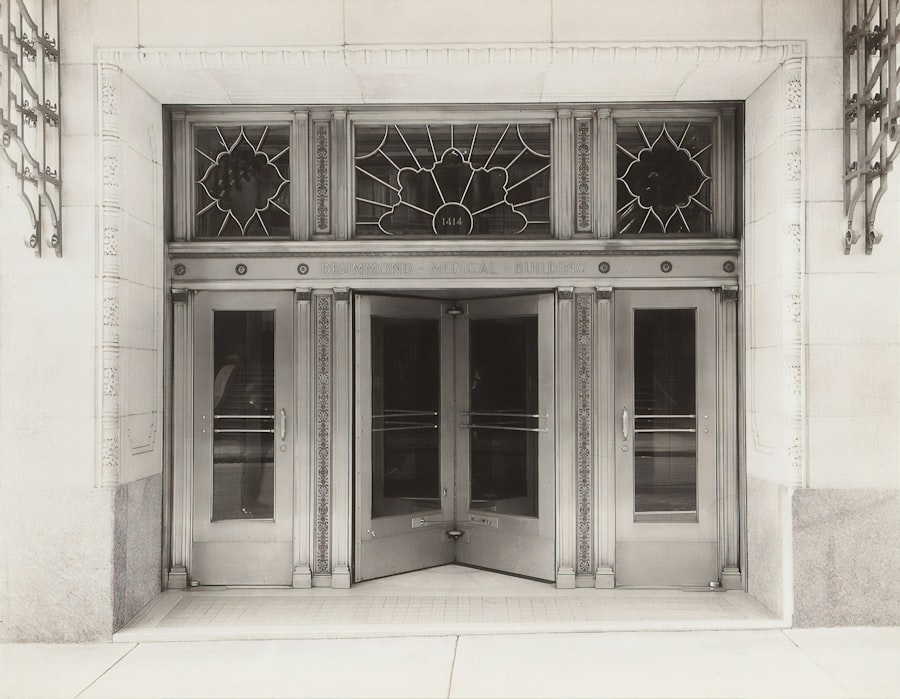
The Columbia Archives serve as a vital repository for the city’s historical documents, photographs, and artifacts. Established to preserve the rich heritage of Columbia, these archives play an essential role in documenting the lives and experiences of its residents throughout history. The archives house an extensive collection that includes everything from municipal records to personal letters, providing invaluable insights into the social, political, and economic fabric of the community.
One of the primary functions of the Columbia Archives is to facilitate research and education. Scholars, students, and local historians frequently utilize these resources to gain a deeper understanding of Columbia’s past. The archives not only preserve physical artifacts but also serve as a bridge connecting contemporary residents with their historical roots.
By making these materials accessible, the archives foster a sense of pride and belonging among community members, encouraging them to engage with their local history actively.
Preserving the Legacy of Columbia
Preserving the legacy of Columbia is an ongoing endeavor that requires collaboration among various stakeholders, including local government, educational institutions, and community organizations. The archives play a central role in this preservation effort by ensuring that significant historical events and figures are documented and remembered. This commitment to preservation extends beyond mere storage; it involves actively curating exhibits and programs that highlight Columbia’s unique story.
One notable example of preservation efforts is the restoration of historic buildings within Columbia. Many structures hold significant historical value and are integral to understanding the city’s development over time. By investing in these restorations, the community not only safeguards its architectural heritage but also creates spaces for public engagement and education.
These efforts are complemented by initiatives aimed at digitizing archival materials, making them accessible to a broader audience while ensuring their longevity for future generations.
Accessing the Columbia Archives
Accessing the Columbia Archives is designed to be user-friendly, allowing individuals from all walks of life to explore the wealth of information contained within its collections. The archives offer various services, including guided tours, research assistance, and public programs aimed at educating visitors about the significance of Columbia’s history. These initiatives are crucial in demystifying archival research and encouraging community members to delve into their local heritage.
In addition to physical access, the archives have embraced technology to enhance accessibility further. Online databases and digital collections allow users to explore historical documents from the comfort of their homes. This digital transformation has expanded the reach of the archives beyond local residents, attracting researchers and history enthusiasts from across the globe who seek to uncover stories related to Columbia’s past.
By prioritizing accessibility, the archives ensure that Columbia’s history remains alive and relevant in today’s digital age.
Exhibits and Programs at the Columbia Archives

Exploring Local Themes and Events
These initiatives feature rotating exhibits that focus on specific themes or events significant to Columbia’s narrative. For example, an exhibit might delve into the contributions of immigrant communities to the city’s development or highlight key moments in civil rights activism within Columbia.
Education and Community Engagement
In addition to exhibits, the archives offer educational programs tailored for schools and community groups. These programs include workshops on archival research methods or lectures by local historians, providing participants with valuable skills and knowledge about preserving their own family histories.
Promoting Community Ownership and Stewardship
By creating opportunities for engagement, the archives play a crucial role in keeping Columbia’s history vibrant and relevant. These programs foster a sense of ownership over local heritage, empowering individuals to become active stewards of their community’s narrative.
Collaborations with the Community
Collaboration is at the heart of the Columbia Archives’ mission to preserve and promote local history. The archives work closely with schools, universities, and community organizations to create partnerships that enhance educational opportunities and foster community engagement. These collaborations often result in joint projects that highlight specific aspects of Columbia’s history or address contemporary issues through a historical lens.
One successful collaboration involved partnering with local schools to develop a curriculum focused on Columbia’s history. Students engaged in hands-on projects that allowed them to explore archival materials while learning about their community’s past. This experiential approach not only deepened students’ understanding of history but also instilled a sense of pride in their local heritage.
Such partnerships exemplify how the archives can serve as a catalyst for community involvement and education.
Future of the Columbia Archives
Looking ahead, the future of the Columbia Archives is filled with potential as it continues to adapt to changing societal needs and technological advancements. One area of focus is expanding digital access to archival materials, ensuring that even more individuals can engage with Columbia’s history regardless of geographical barriers. This commitment to digitization will not only preserve fragile documents but also enhance public engagement through interactive online platforms.
Moreover, as communities evolve, so too must the narratives preserved within the archives. The future will likely see an increased emphasis on inclusivity, ensuring that diverse voices are represented in historical documentation. This may involve outreach efforts aimed at underrepresented communities or initiatives designed to collect oral histories that capture personal experiences often overlooked in traditional archival practices.
By embracing these changes, the Columbia Archives can continue to serve as a vital resource for understanding both past and present narratives within this dynamic city.
FAQs
What is the Columbia Archives?
The Columbia Archives is a repository of historical materials related to the planned community of Columbia, Maryland.
What is the purpose of the Columbia Archives?
The purpose of the Columbia Archives is to preserve and provide access to the history of Columbia, Maryland, and its development as a planned community.
What kind of materials are preserved in the Columbia Archives?
The Columbia Archives preserves a wide range of materials, including documents, photographs, maps, and other records related to the history of Columbia, Maryland.
Who can access the materials in the Columbia Archives?
The materials in the Columbia Archives are available for research and access to the general public, historians, scholars, and anyone interested in the history of Columbia, Maryland.
How does the Columbia Archives contribute to the community?
The Columbia Archives contributes to the community by preserving the history of Columbia, Maryland, and providing educational resources for residents and visitors interested in learning about the planned community’s development.