Columbia, the capital of South Carolina, is a city steeped in rich history and cultural significance. Founded in 1786, it has served as a pivotal location for various historical events, from the American Revolution to the Civil Rights Movement. The city’s historical legacy is not merely a collection of dates and events; it embodies the stories of its people, their struggles, triumphs, and the evolution of their community.
Columbia’s historical sites, monuments, and artifacts serve as tangible reminders of its past, offering insights into the lives of those who came before us. This legacy is not only a source of pride for residents but also a vital component of the city’s identity. As we delve deeper into Columbia’s historical narrative, it becomes evident that preserving this legacy is crucial for future generations.
The stories encapsulated within its walls and streets provide context for understanding contemporary issues and foster a sense of belonging among residents. By honoring its past, Columbia can cultivate a community that values its heritage while looking forward to a progressive future. The preservation of historical sites and artifacts is not just about maintaining physical structures; it is about safeguarding the collective memory of a community that has weathered many storms and celebrated numerous victories.
Key Takeaways
- Columbia’s historical legacy is rich and diverse, with a deep-rooted history that spans centuries.
- Preserving historical sites and artifacts is crucial in maintaining the cultural identity and heritage of Columbia.
- Columbia has implemented various initiatives to protect and honor its historical legacy, including restoration projects and educational programs.
- Challenges in preserving Columbia’s historical legacy include funding constraints, natural disasters, and urban development.
- Education plays a vital role in preserving Columbia’s historical legacy by raising awareness and fostering a sense of pride and responsibility in the community.
The Importance of Preserving Historical Sites and Artifacts
Preserving historical sites and artifacts is essential for several reasons. Firstly, these elements serve as educational tools that provide insight into the cultural and social dynamics of different eras. They allow individuals to engage with history in a tangible way, fostering a deeper understanding of the past.
For instance, visiting a preserved battlefield or museum can evoke emotions and reflections that textbooks alone cannot convey. This experiential learning enriches the community’s knowledge base and encourages critical thinking about historical events and their implications. Moreover, historical sites often play a significant role in shaping local identity.
They are landmarks that connect residents to their heritage and instill a sense of pride in their community. When people can physically visit places that have historical significance, they are more likely to develop an appreciation for their culture and history. This connection can lead to increased civic engagement, as individuals become more invested in preserving their community’s legacy.
In essence, the preservation of historical sites and artifacts is not merely an act of conservation; it is an investment in the community’s future.
Columbia’s Initiatives to Preserve and Honor Its Historical Legacy
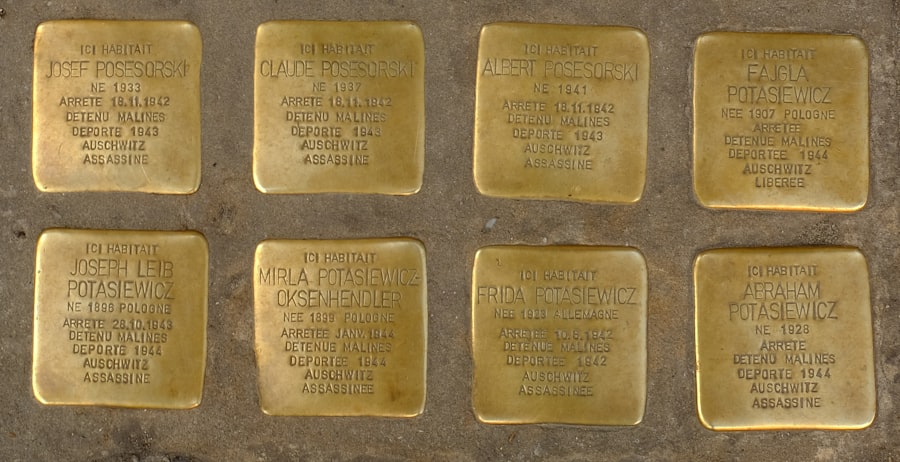
Columbia has undertaken numerous initiatives aimed at preserving its historical legacy. One notable effort is the establishment of various historical districts that protect significant buildings and neighborhoods from demolition or neglect. These districts are carefully designated to ensure that the architectural integrity and historical value of the area are maintained.
By creating these protected zones, Columbia not only safeguards its past but also enhances its aesthetic appeal, attracting both residents and tourists alike. In addition to physical preservation, Columbia has also focused on promoting awareness of its historical significance through educational programs and events. Local organizations frequently host workshops, lectures, and guided tours that highlight the city’s rich history.
These initiatives aim to engage residents of all ages, fostering a sense of pride and ownership over their shared heritage. By actively involving the community in these efforts, Columbia ensures that its historical legacy remains vibrant and relevant in the modern era.
Challenges and Obstacles in Preserving Columbia’s Historical Legacy
Despite Columbia’s commitment to preserving its historical legacy, several challenges persist. One significant obstacle is funding; maintaining and restoring historical sites often requires substantial financial resources that may not always be readily available. Budget constraints can hinder preservation efforts, leading to deterioration or even loss of important landmarks.
Additionally, competing interests in urban development can pose threats to historical sites, as new construction projects may prioritize economic growth over cultural preservation. Another challenge lies in public awareness and engagement. While many residents appreciate their city’s history, others may not fully understand its importance or may take it for granted.
This lack of awareness can lead to apathy towards preservation efforts, making it difficult to rally support for initiatives aimed at safeguarding historical sites. To overcome these challenges, it is crucial for Columbia to foster a culture of appreciation for its history through ongoing education and community involvement.
The Role of Education in Preserving Columbia’s Historical Legacy
Education plays a pivotal role in preserving Columbia’s historical legacy by fostering an informed citizenry that values its heritage. Schools and educational institutions can incorporate local history into their curricula, allowing students to learn about their community’s past from an early age. Field trips to historical sites or museums can provide students with firsthand experiences that deepen their understanding of history and its relevance to their lives today.
Furthermore, educational programs aimed at adults can also contribute significantly to preservation efforts. Workshops, lectures, and community discussions can engage residents in conversations about the importance of safeguarding their history. By creating opportunities for dialogue and learning, Columbia can cultivate a community that actively participates in preservation initiatives.
Ultimately, education serves as a bridge between the past and present, ensuring that the stories of Columbia’s history continue to resonate with future generations.
Collaborations and Partnerships in Preserving Columbia’s Historical Legacy

Collaboration among various stakeholders is essential for effective preservation efforts in Columbia. Local government agencies, non-profit organizations, educational institutions, and community groups must work together to create a cohesive strategy for safeguarding the city’s historical legacy. By pooling resources and expertise, these entities can develop comprehensive plans that address both preservation and community engagement.
Partnerships with local businesses can also play a vital role in supporting preservation initiatives. For instance, businesses can sponsor events or contribute funding for restoration projects in exchange for recognition within the community. Such collaborations not only provide financial support but also foster a sense of shared responsibility among residents and local enterprises.
By working together towards common goals, Columbia can create a robust network dedicated to preserving its rich history.
Future Plans and Goals for Preserving Columbia’s Historical Legacy
Looking ahead, Columbia has ambitious plans for further preserving its historical legacy. One goal is to expand existing historical districts while identifying new areas that warrant protection due to their cultural significance. This proactive approach will help ensure that more aspects of the city’s history are recognized and preserved for future generations.
Additionally, Columbia aims to enhance public engagement through innovative programming that appeals to diverse audiences. This could include interactive exhibits at museums or community festivals celebrating local history. By making history accessible and engaging, Columbia hopes to inspire residents to take an active role in preservation efforts.
The city envisions a future where its historical legacy is not only preserved but celebrated as an integral part of its identity.
The Impact of Preserving Columbia’s Historical Legacy on the Community
The impact of preserving Columbia’s historical legacy extends far beyond mere aesthetics; it profoundly influences the community’s social fabric and economic vitality. A strong sense of place fosters pride among residents, encouraging them to invest in their neighborhoods and participate actively in civic life. When individuals feel connected to their history, they are more likely to engage with one another and work collaboratively towards common goals.
Moreover, preserving historical sites can have significant economic benefits for Columbia. Heritage tourism is a growing industry that attracts visitors interested in exploring the city’s rich history. By investing in preservation efforts, Columbia can enhance its appeal as a tourist destination while simultaneously supporting local businesses.
This symbiotic relationship between preservation and economic development underscores the importance of safeguarding the city’s historical legacy for both current residents and future generations. In conclusion, Columbia’s historical legacy is a treasure trove of stories waiting to be preserved and honored. Through collaborative efforts, educational initiatives, and community engagement, the city can ensure that its rich past continues to inform its present and inspire its future.
As we navigate the complexities of modern life, let us not forget the importance of our roots; they ground us in our identity and guide us toward a brighter tomorrow.