Before embarking on a fishing adventure, it is crucial to familiarize yourself with the local fishing regulations. These rules are designed to protect fish populations and their habitats, ensuring that future generations can enjoy the same experiences. Regulations can vary significantly from one location to another, so it is essential to check the specific guidelines for the area where you plan to fish.
This may include restrictions on the types of fish you can catch, size limits, and seasonal closures. Ignoring these regulations can lead to hefty fines and contribute to the decline of local fish populations. In addition to understanding the rules, it is also beneficial to stay informed about any changes that may occur throughout the year.
Local wildlife agencies often update regulations based on fish population studies and environmental conditions. Many regions provide resources online, such as downloadable guides or interactive maps, which can help you navigate the complexities of local fishing laws. By respecting these regulations, you not only contribute to sustainable fishing practices but also enhance your own fishing experience by ensuring that the ecosystem remains healthy and vibrant.
Key Takeaways
- Understanding local fishing regulations is crucial to avoid fines and protect the environment.
- Choosing the right gear and equipment can greatly improve your fishing experience and success.
- Identifying the best fishing spots requires research and local knowledge.
- Learning the basics of casting and reeling is essential for beginners to master before heading out.
- Understanding local fish species and their habits can help you target the right fish and increase your chances of a successful catch.
Choosing the Right Gear and Equipment
Choosing the Right Rod and Reel
For instance, if you’re targeting larger species in deep waters, a sturdy rod and reel combination designed for heavy-duty use is essential. On the other hand, if you’re fishing in a tranquil lake for smaller species, a lighter setup may be more suitable.
Understanding the Importance of Lines, Hooks, and Bait
In addition to rods and reels, other equipment such as lines, hooks, and bait play a significant role in your success on the water. The fishing line should match the weight of your rod and the type of fish you’re targeting; heavier lines are necessary for larger fish, while lighter lines work well for smaller species. Hooks come in various sizes and styles, each designed for specific types of bait and fish. Furthermore, selecting the right bait, whether live bait like worms or artificial lures, can make a substantial difference in attracting fish.
Investing in the Right Gear for a Better Experience
Investing time in researching and selecting the right gear will enhance your overall fishing experience. By understanding the nuances of your chosen fishing method and selecting the right equipment, you’ll be well on your way to a successful and enjoyable fishing trip.
Identifying the Best Fishing Spots
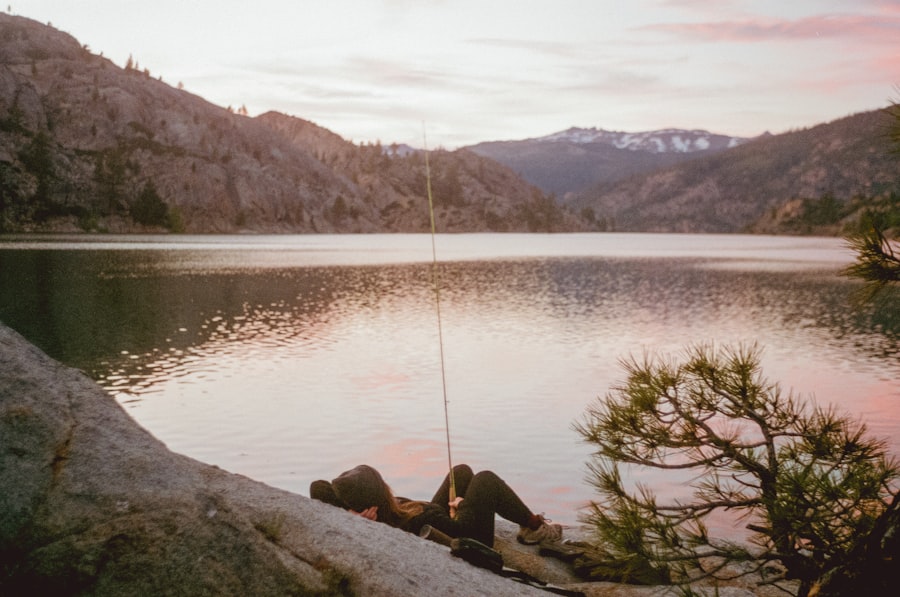
Finding the best fishing spots can often feel like a treasure hunt, filled with excitement and anticipation. The ideal location can vary based on several factors, including the time of year, weather conditions, and the specific species you are targeting. Lakes, rivers, and coastal areas each offer unique opportunities for anglers.
For instance, during warmer months, fish may congregate near shallow waters or around structures like fallen trees or rocks, while colder months might see them retreating to deeper areas. Local knowledge can be invaluable when searching for prime fishing locations. Engaging with fellow anglers or visiting local bait shops can provide insights into where fish are currently biting.
Additionally, many online forums and social media groups dedicated to fishing can offer real-time updates on successful spots. Utilizing tools like topographic maps or fishing apps can also help you identify underwater structures that attract fish. By combining research with local wisdom, you can significantly increase your chances of finding a productive fishing spot.
Learning the Basics of Casting and Reeling
Mastering the basics of casting and reeling is essential for any angler looking to improve their skills. Casting involves more than just throwing your line into the water; it requires technique and precision to ensure that your bait lands in the right spot. A proper cast begins with holding your rod at an appropriate angle and using a smooth motion to propel your line forward.
Practicing your casting technique in an open area can help you develop muscle memory and improve accuracy. Once your line is in the water, understanding how to reel in your catch is equally important. The reeling technique can vary depending on the type of fish you are targeting and their behavior.
For instance, some fish may put up a strong fight when hooked, requiring you to maintain tension on the line while reeling them in steadily. Learning how to adjust your reeling speed based on the fish’s movements will enhance your chances of successfully landing your catch. As with any skill, practice is key; dedicating time to refine your casting and reeling techniques will pay off during your fishing excursions.
Understanding Local Fish Species and Their Habits
A successful fishing trip often hinges on understanding the local fish species and their habits. Different species exhibit unique behaviors based on factors such as water temperature, time of day, and seasonal changes. For example, some fish are more active during dawn and dusk when they are feeding, while others may prefer deeper waters during hotter parts of the day.
Familiarizing yourself with these patterns can help you determine when and where to cast your line. Additionally, knowing what types of bait appeal to specific species can significantly increase your chances of success. Some fish are attracted to live bait like minnows or worms, while others may respond better to artificial lures that mimic their natural prey.
Researching local fish species—such as bass, trout, or catfish—and their feeding habits will provide valuable insights into how to approach your fishing strategy. By aligning your techniques with the behaviors of local fish, you can create a more effective and enjoyable fishing experience.
Tips for Catching and Releasing Fish

Minimizing Stress and Injury
Catching fish is only part of the angling experience; knowing how to handle them responsibly is equally important. If you plan to release your catch back into the water, it is essential to do so in a way that minimizes stress and injury to the fish. Using barbless hooks can make it easier to remove them without causing harm.
Proper Handling Techniques
When handling a fish, wetting your hands first will help protect its slime coating, which is vital for its health. When it comes time to release the fish, do so gently by holding it in the water until it regains its strength before letting it swim away.
Releasing Fish Safely
If you notice that a fish appears exhausted or disoriented after being caught, consider keeping it in a net or holding it in water until it recovers fully before releasing it back into its habitat.
Sustainable Fishing Practices
Practicing responsible catch-and-release techniques not only contributes to sustainable fishing practices but also ensures that future anglers can enjoy similar experiences.
Safety Precautions for Fishing on Columbia’s Lakes
Fishing on Columbia’s lakes offers beautiful scenery and abundant opportunities for anglers; however, safety should always be a top priority. Before heading out onto the water, ensure that you have all necessary safety equipment on board, including life jackets for all passengers and a first aid kit for emergencies. Familiarizing yourself with local weather conditions is also crucial; sudden changes in weather can create hazardous situations on the water.
Additionally, understanding boating safety regulations is essential if you plan to use a boat while fishing. This includes knowing how to operate your vessel safely and being aware of navigation rules to avoid collisions with other boats or obstacles in the water. If you’re fishing from shore or wading into shallow waters, be cautious of slippery rocks or sudden drop-offs that could lead to accidents.
By taking these safety precautions seriously, you can enjoy a worry-free day on Columbia’s lakes.
Joining Local Fishing Communities and Clubs
Becoming part of local fishing communities or clubs can greatly enhance your fishing experience while providing opportunities for learning and camaraderie. These groups often host events such as tournaments, workshops, or group outings that allow members to share tips and techniques while enjoying time on the water together. Engaging with fellow anglers can also provide valuable insights into local fishing conditions and regulations.
Moreover, many clubs focus on conservation efforts aimed at preserving local waterways and fish populations. By joining such organizations, you not only contribute to these important initiatives but also connect with like-minded individuals who share your passion for fishing. Whether you are a seasoned angler or just starting out, being part of a community can enrich your understanding of fishing while fostering lasting friendships built around shared interests.
In conclusion, embarking on a fishing journey requires preparation and knowledge across various aspects—from understanding local regulations to mastering techniques and safety precautions. By investing time in learning about gear selection, local species habits, and responsible practices like catch-and-release methods, you can enhance both your skills and enjoyment on the water. Joining local communities further enriches this experience by providing support and fostering connections with fellow enthusiasts who share your love for this timeless outdoor activity.