Columbia is home to a remarkable array of lake ecosystems that serve as vital habitats for countless species and provide essential resources for local communities. These lakes, ranging from the expansive waters of Lake Columbia to the serene, hidden gems scattered throughout the region, are not only beautiful but also play a crucial role in maintaining ecological balance. The interplay between water, land, and life creates a dynamic environment that supports both biodiversity and human activity.
Understanding these ecosystems is essential for appreciating their value and the need for their protection. The lakes of Columbia are characterized by their unique geographical features, which include varying depths, water temperatures, and surrounding landscapes. These factors contribute to the rich biodiversity found within and around these bodies of water.
From lush wetlands to rocky shorelines, each lake presents a distinct ecosystem that supports a variety of flora and fauna. As we delve deeper into the intricacies of Columbia’s lake ecosystems, we will uncover the diverse wildlife that thrives in these environments and the importance of preserving them for future generations.
Key Takeaways
- Columbia’s lake ecosystems are diverse and rich in wildlife, making them important areas for conservation and preservation.
- The wildlife in Columbia’s lake ecosystems includes a wide variety of species, from birds and fish to reptiles and mammals.
- Some of the best places for wildlife watching in Columbia’s lake ecosystems include Lake Tota, Lake Guatavita, and Lake Calima.
- Conservation and preservation efforts are crucial for maintaining the health and biodiversity of Columbia’s lake ecosystems.
- Nature education programs and opportunities in Columbia’s lake ecosystems provide valuable learning experiences for people of all ages.
The Diversity of Wildlife in Columbia’s Lake Ecosystems
The wildlife inhabiting Columbia’s lake ecosystems is as diverse as the landscapes themselves. These lakes provide a sanctuary for numerous species, including fish, birds, amphibians, and mammals. The aquatic life is particularly vibrant, with species such as trout, bass, and perch swimming through the clear waters.
These fish not only contribute to the ecological balance but also support local fishing communities that rely on them for their livelihoods. Birdwatchers will find Columbia’s lakes to be a paradise, as they attract a wide variety of avian species. From majestic eagles soaring overhead to colorful ducks paddling along the shores, the lakes serve as critical nesting and feeding grounds for many birds.
Additionally, migratory species often stop at these lakes during their long journeys, making them important waypoints in their travels. The presence of such diverse wildlife highlights the ecological significance of these lakes and underscores the need for ongoing conservation efforts.
Best Places for Wildlife Watching in Columbia’s Lake Ecosystems
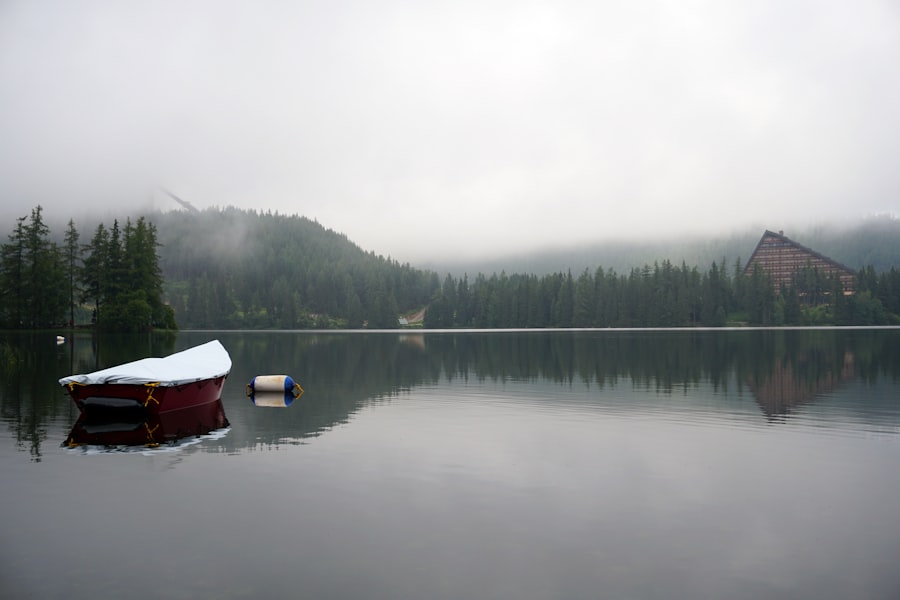
For those eager to experience the rich wildlife of Columbia’s lake ecosystems firsthand, several prime locations offer exceptional opportunities for observation. One such spot is Lake Columbia State Park, where visitors can explore well-maintained trails that wind through lush forests and along the water’s edge. The park is known for its abundant birdlife, making it a favorite among birdwatchers.
Early mornings or late afternoons are particularly rewarding times to visit, as many species are most active during these hours. Another excellent destination is the tranquil waters of Cedar Lake. This hidden gem is less frequented by tourists, providing a peaceful setting for wildlife enthusiasts.
The surrounding wetlands are teeming with life, offering glimpses of frogs leaping among lily pads and dragonflies flitting about. Kayaking or canoeing on Cedar Lake allows visitors to quietly navigate through the waterways, increasing the chances of encountering wildlife up close. Whether you’re an experienced naturalist or a casual observer, these locations promise unforgettable experiences in Columbia’s stunning lake ecosystems.
Importance of Conservation and Preservation in Columbia’s Lake Ecosystems
The conservation and preservation of Columbia’s lake ecosystems are paramount for maintaining biodiversity and ensuring the health of the environment. These ecosystems provide essential services such as water filtration, flood control, and habitat for wildlife. However, they are increasingly threatened by human activities such as pollution, urban development, and climate change.
Protecting these natural resources is not only vital for wildlife but also for the communities that depend on them for recreation, tourism, and economic stability. Efforts to conserve these ecosystems involve a multifaceted approach that includes habitat restoration, pollution control, and public education. By raising awareness about the importance of these lakes and their inhabitants, communities can foster a sense of stewardship that encourages responsible use and protection of these precious resources.
Collaborative initiatives between government agencies, non-profit organizations, and local residents can lead to effective conservation strategies that benefit both wildlife and people.
Nature Education Programs and Opportunities in Columbia’s Lake Ecosystems
Nature education programs play a crucial role in fostering an appreciation for Columbia’s lake ecosystems among residents and visitors alike. Many organizations offer guided tours, workshops, and educational events designed to engage people of all ages in learning about the unique flora and fauna found in these areas. These programs often include hands-on activities such as birdwatching excursions, fishing clinics, and nature walks that allow participants to connect with the environment on a deeper level.
In addition to organized programs, schools in the region frequently incorporate field trips to local lakes as part of their science curriculum. These outings provide students with firsthand experience in understanding ecosystems and the importance of conservation. By instilling a sense of wonder and responsibility towards nature at a young age, these educational initiatives help cultivate future generations of environmental stewards who will advocate for the protection of Columbia’s lake ecosystems.
Threats to the Wildlife and Ecosystems in Columbia’s Lakes

Water Pollution: A Major Concern
Agricultural runoff is a significant source of pollution, introducing harmful chemicals into the water. This not only affects aquatic life but also poses risks to human health when contaminated water is used for recreation or drinking purposes.
Invasive Species and Climate Change: Disrupting the Delicate Balance
Invasive species can outcompete native species for resources, disrupting the balance of these ecosystems. Climate change also presents significant challenges, with rising temperatures altering water levels and affecting fish spawning cycles, and extreme weather events leading to increased flooding or droughts.
Concerted Efforts Needed to Protect Vital Ecosystems
These changes can have cascading effects on wildlife populations and their habitats. To address these threats, concerted efforts are required from individuals, communities, and policymakers to implement sustainable practices that protect these vital ecosystems.
How to Support and Get Involved in Conservation Efforts for Columbia’s Lake Ecosystems
Supporting conservation efforts for Columbia’s lake ecosystems can take many forms, from volunteering with local organizations to participating in community clean-up events. Many non-profit groups focus on preserving these natural resources through habitat restoration projects or educational outreach programs. By getting involved with such organizations, individuals can contribute their time and skills while gaining valuable insights into the challenges facing these ecosystems.
Additionally, advocating for policies that protect water quality and promote sustainable land use practices is essential for long-term conservation success. Engaging with local government representatives or participating in public forums can amplify community voices in decision-making processes related to environmental protection. Every action counts; whether it’s reducing plastic use or supporting local conservation initiatives, individuals can make a meaningful impact on preserving Columbia’s lake ecosystems.
Tips for Responsible Wildlife Watching in Columbia’s Lake Ecosystems
When exploring Columbia’s lake ecosystems for wildlife watching, it is essential to practice responsible behavior to minimize disturbances to both animals and their habitats. One key guideline is to maintain a respectful distance from wildlife; approaching too closely can cause stress or disrupt natural behaviors. Using binoculars or cameras with zoom lenses allows observers to enjoy close-up views without intruding on animals’ space.
Additionally, staying on designated trails helps protect sensitive habitats from trampling while ensuring safety for visitors. It is also important to avoid feeding wildlife, as this can lead to dependency on human food sources and alter natural feeding patterns. Lastly, always clean up after yourself by disposing of trash properly; litter can harm wildlife and degrade the beauty of these natural spaces.
By following these tips, individuals can enjoy the wonders of Columbia’s lake ecosystems while contributing to their preservation for future generations.