Community gardens have a rich and varied history in Columbia, reflecting the city’s evolving relationship with urban agriculture and community engagement. The concept of communal gardening can be traced back to the early 20th century, when the idea of “victory gardens” emerged during World War I and
As the years progressed, the 1970s and 1980s saw a resurgence of interest in community gardens, spurred by movements advocating for sustainable living and local food production. In Columbia, grassroots organizations began to form, aiming to transform vacant lots and underutilized spaces into vibrant gardens. These initiatives not only provided fresh produce but also fostered a sense of belonging among residents.
Over time, community gardens became a staple in Columbia’s neighborhoods, serving as a testament to the power of collaboration and shared purpose.
Key Takeaways
- Community gardens in Columbia have a rich history dating back to the 1970s, when they were established as a response to food insecurity and social inequality.
- Community gardens provide numerous benefits for the community, including access to fresh and affordable produce, opportunities for social interaction, and a sense of ownership and pride in the neighborhood.
- Community gardens promote health and fitness by encouraging physical activity, providing access to nutritious foods, and creating a sense of well-being and connection to nature.
- Community gardens play a crucial role in food security by increasing access to fresh produce, reducing reliance on processed foods, and empowering individuals to take control of their own food supply.
- Community gardens have a positive impact on the environment by promoting sustainable gardening practices, reducing food miles, and creating green spaces that support biodiversity and improve air quality.
The Benefits of Community Gardens for the Community
Community gardens offer a multitude of benefits that extend far beyond the simple act of growing food. One of the most significant advantages is the promotion of social cohesion among residents. These gardens serve as gathering places where individuals from diverse backgrounds can come together, share experiences, and build relationships.
The act of working side by side in the soil fosters a sense of camaraderie and mutual support, creating a stronger, more interconnected community. Moreover, community gardens can play a pivotal role in enhancing local economies. By providing access to fresh produce, they help reduce food costs for families while also supporting local businesses.
Many community gardens host farmers’ markets or sell their produce directly to consumers, creating economic opportunities for gardeners and promoting sustainable practices. This economic aspect not only benefits individual gardeners but also contributes to the overall vitality of the neighborhood.
How Community Gardens Promote Health and Fitness
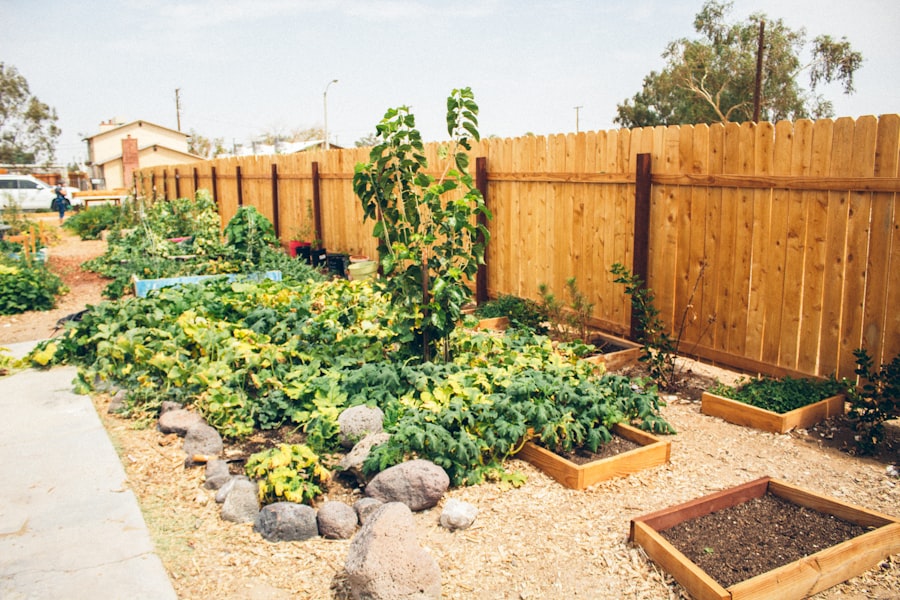
The health benefits associated with community gardens are profound and multifaceted. Engaging in gardening activities encourages physical exercise, which is essential for maintaining a healthy lifestyle. Tasks such as planting, weeding, and harvesting require physical effort, helping individuals improve their strength, flexibility, and cardiovascular health.
For many participants, these activities provide a welcome alternative to sedentary pastimes, promoting an active lifestyle that can lead to long-term health improvements. In addition to physical fitness, community gardens also contribute to better nutrition. By growing their own fruits and vegetables, participants gain access to fresh, organic produce that is often more nutritious than store-bought options.
This direct connection to food sources encourages healthier eating habits and fosters an appreciation for the nutritional value of fresh produce. Furthermore, community gardens often serve as educational platforms where individuals can learn about gardening techniques, cooking methods, and the importance of nutrition, empowering them to make informed choices about their diets.
The Role of Community Gardens in Food Security
Food security is a pressing issue in many urban areas, including Columbia. Community gardens play a crucial role in addressing this challenge by providing residents with reliable access to fresh produce. In neighborhoods where grocery stores may be scarce or where food deserts exist, these gardens serve as vital resources for families seeking nutritious options.
By cultivating their own food, residents can reduce their reliance on processed foods and improve their overall dietary quality. Additionally, community gardens often engage in initiatives aimed at educating residents about food production and sustainability. Workshops on gardening techniques, composting, and seasonal eating empower individuals with the knowledge they need to grow their own food effectively.
This education not only enhances food security but also fosters a sense of agency among participants, allowing them to take control of their food sources and make choices that benefit their health and well-being.
The Impact of Community Gardens on the Environment
The environmental benefits of community gardens are significant and far-reaching. These green spaces contribute to urban biodiversity by providing habitats for various species of plants and animals. By transforming vacant lots into flourishing gardens, communities can help restore ecosystems that have been disrupted by urban development.
This biodiversity is essential for maintaining ecological balance and promoting resilience in urban environments. Moreover, community gardens play a vital role in promoting sustainable practices. Many gardeners adopt organic methods that minimize the use of harmful pesticides and fertilizers, thereby reducing chemical runoff into local waterways.
Additionally, these gardens often incorporate composting practices that recycle organic waste back into the soil, enhancing its fertility while reducing landfill contributions. By fostering environmentally friendly practices, community gardens not only benefit individual gardeners but also contribute to the overall health of the urban ecosystem.
How Community Gardens Bring People Together
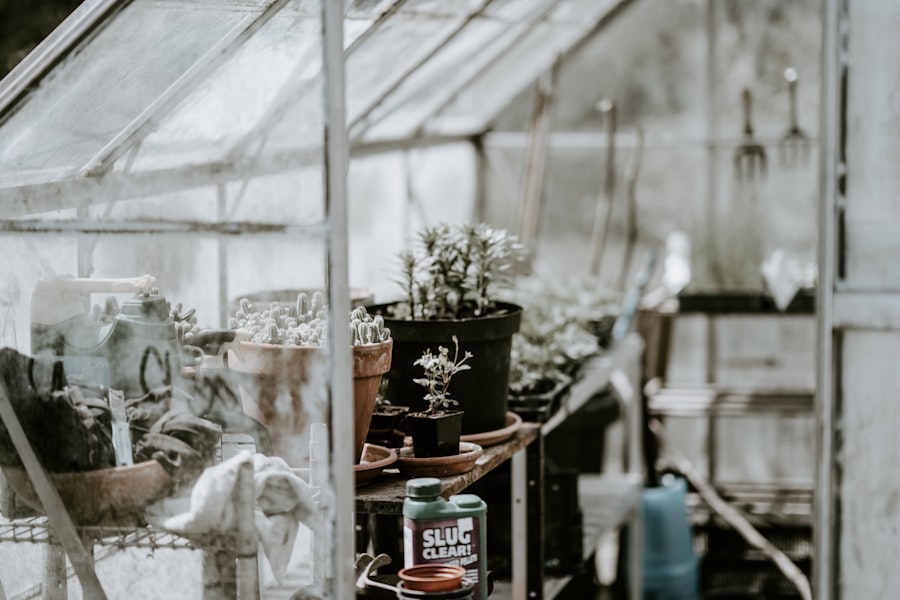
One of the most beautiful aspects of community gardens is their ability to bring people together from all walks of life. These spaces serve as melting pots where individuals can connect over a shared passion for gardening and sustainability. Whether through organized events or informal gatherings, community gardens create opportunities for social interaction that transcend cultural and socioeconomic barriers.
The collaborative nature of gardening fosters teamwork and communication among participants. Working together on projects such as planting days or harvest festivals encourages individuals to share their skills and knowledge while building lasting friendships. This sense of belonging is particularly important in urban settings where isolation can be prevalent.
By cultivating relationships within the garden, participants often find a supportive network that extends beyond gardening activities into other aspects of their lives.
The Challenges and Opportunities of Community Gardens in Columbia
While community gardens offer numerous benefits, they are not without challenges. One significant hurdle is securing land access in urban areas like Columbia, where real estate pressures can make it difficult to find suitable spaces for gardening. Additionally, maintaining these gardens requires ongoing commitment from participants, which can be challenging as interest fluctuates over time.
Despite these challenges, there are ample opportunities for growth and innovation within Columbia’s community gardening landscape. Collaborations with local government agencies and non-profit organizations can help secure funding and resources for garden maintenance and expansion. Furthermore, engaging schools and youth programs in gardening initiatives can inspire the next generation to appreciate the value of sustainable practices and community involvement.
How to Get Involved in Columbia’s Community Gardens
Getting involved in Columbia’s community gardens is an enriching experience that offers numerous rewards. For those interested in participating, the first step is to research local community garden initiatives through online platforms or social media groups dedicated to urban agriculture. Many organizations host informational meetings or open houses where prospective gardeners can learn more about available plots and volunteer opportunities.
Once connected with a garden group, individuals can participate in various activities ranging from planting and maintenance to educational workshops and community events. Whether you have extensive gardening experience or are just starting out, there is a place for everyone in these vibrant spaces. Engaging with fellow gardeners not only enhances your skills but also deepens your connection to the community while contributing to a healthier environment for all.
In conclusion, community gardens in Columbia represent more than just patches of green; they embody the spirit of collaboration, resilience, and sustainability that defines urban life today. Through their myriad benefits—ranging from improved health outcomes to enhanced food security—these gardens play an essential role in shaping vibrant communities that thrive together. As more residents become involved in these initiatives, the potential for positive change continues to grow, fostering a brighter future for all who call Columbia home.