Libraries have undergone a remarkable transformation over the centuries, evolving from traditional repositories of books into dynamic centers of learning and community engagement. In their early days, libraries primarily served as quiet sanctuaries filled with shelves of books, where individuals could seek knowledge and solace. The primary function was to provide access to written materials, and the atmosphere was often one of hushed reverence.
However, as society has progressed, so too has the role of libraries. They have adapted to the changing needs of their communities, embracing technology and interactive learning methodologies. Today’s libraries are vibrant spaces that foster collaboration, creativity, and exploration.
They are no longer just places to borrow books; they have become hubs for innovation and social interaction. With the advent of digital technology, libraries have integrated multimedia resources, interactive exhibits, and community programs that cater to diverse audiences. This evolution reflects a broader understanding of education as a multifaceted experience that extends beyond traditional reading and writing.
Libraries now serve as essential community resources that promote lifelong learning and engagement in an increasingly complex world.
Key Takeaways
- Libraries have evolved from traditional book repositories to interactive learning spaces.
- Columbia’s library initiatives for children take a holistic approach to education, focusing on various aspects of learning.
- Interactive workshops and storytelling sessions are used to engage young minds and foster a love for reading.
- Beyond reading, Columbia’s libraries offer hands-on science and technology activities for kids to explore and learn.
- Art and craft workshops at Columbia’s libraries aim to foster creativity and imagination in children.
Columbia’s Library Initiatives for Children: A Holistic Approach to Education
Embracing the Whole Child
Columbia’s libraries focus on the cognitive, social, and emotional development of children, creating an enriching environment that nurtures curiosity and fosters a love for learning.
Inclusivity and Accessibility
A key aspect of this approach is the emphasis on inclusivity and accessibility. The libraries strive to ensure that all children, regardless of their background or abilities, have access to resources and programs that support their growth.
Personalized Learning Experiences
The libraries offer a range of materials, from picture books for early readers to advanced texts for older students, and programs tailored to different learning styles, ensuring that every child can find something that resonates with them.
Engaging Young Minds: Interactive Workshops and Storytelling Sessions
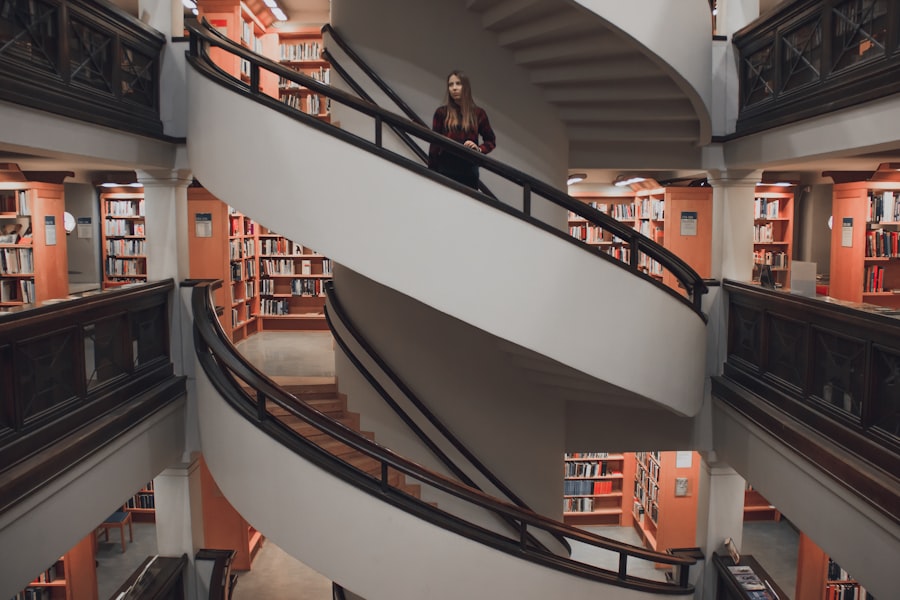
At the heart of Columbia’s library initiatives for children are interactive workshops and storytelling sessions designed to engage young minds in meaningful ways. These programs go beyond passive listening; they invite children to participate actively in their learning experiences. Storytelling sessions, for instance, are not merely about reading aloud; they often incorporate elements such as puppetry, music, and audience participation, making the stories come alive in vivid ways.
Interactive workshops cover a wide range of topics, from science experiments to creative writing. These hands-on experiences allow children to explore concepts in a tangible manner, fostering critical thinking and problem-solving skills. By encouraging children to ask questions and express their ideas, Columbia’s libraries create an environment where curiosity is celebrated and exploration is encouraged.
This approach not only enhances comprehension but also instills a sense of confidence in young learners as they discover their own voices.
Beyond Reading: Hands-On Science and Technology Activities for Kids
In addition to traditional literacy programs, Columbia’s libraries recognize the importance of incorporating science and technology into their offerings for children. Hands-on science activities provide young learners with opportunities to engage with scientific concepts in a fun and interactive way. Whether it’s conducting simple experiments or exploring the wonders of nature through outdoor activities, these programs spark curiosity and inspire a love for discovery.
Technology also plays a significant role in Columbia’s library initiatives for children. With the increasing importance of digital literacy in today’s world, libraries are stepping up to provide resources that help children develop essential skills. From coding classes to robotics workshops, these activities empower young learners to navigate the digital landscape with confidence.
By blending traditional learning with modern technology, Columbia’s libraries prepare children for future challenges while making learning enjoyable and relevant.
Fostering Creativity: Art and Craft Workshops at Columbia’s Libraries
Creativity is a vital component of a well-rounded education, and Columbia’s libraries are dedicated to fostering this aspect through art and craft workshops. These programs encourage children to express themselves artistically while developing fine motor skills and enhancing their ability to think outside the box. From painting and drawing to crafting with recycled materials, the possibilities are endless.
Art workshops often incorporate themes from literature or science, allowing children to connect different areas of knowledge in innovative ways. For example, after reading a story about nature, children might create their own nature-inspired artwork using various materials. This integration not only reinforces comprehension but also allows for personal expression and interpretation.
By providing a space where creativity can flourish, Columbia’s libraries help children build confidence in their abilities while nurturing their imaginations.
Community Engagement: Library Events and Programs for Families

Themed Nights for Family Fun
Family events often feature themed nights where parents and children can participate in activities together, such as game nights or movie screenings based on popular books. These occasions provide opportunities for families to engage with literature in a relaxed setting, encouraging discussions about stories and ideas.
Empowering Families through Workshops
Additionally, workshops that focus on parenting skills or educational resources empower families with tools they can use at home to support their children’s learning journeys.
Building a Stronger Community
By hosting these events and programs, Columbia’s libraries foster a sense of community among families, promoting a love for learning that extends beyond the individual.
Digital Literacy for Kids: Coding Classes and Computer Skills Workshops
In an increasingly digital world, Columbia’s libraries recognize the necessity of equipping children with essential computer skills and digital literacy. Coding classes are among the most popular offerings, introducing young learners to the fundamentals of programming in an engaging manner. These classes often utilize games and interactive platforms that make learning coding concepts enjoyable and accessible.
Beyond coding, computer skills workshops cover a range of topics including internet safety, research techniques, and digital communication. By teaching children how to navigate online resources responsibly and effectively, Columbia’s libraries empower them to become informed digital citizens. This focus on digital literacy not only prepares children for future academic pursuits but also equips them with skills that are vital in today’s job market.
The Future of Libraries: Columbia’s Vision for Innovative Learning Spaces
As we look toward the future, Columbia’s libraries are committed to continuing their evolution as innovative learning spaces that meet the needs of their communities. The vision includes expanding access to technology, enhancing collaborative spaces for group projects, and integrating more interactive exhibits that encourage exploration across various disciplines. Moreover, Columbia’s libraries aim to remain responsive to the changing landscape of education by continually assessing community needs and interests.
This adaptability ensures that library programs remain relevant and impactful for future generations. By fostering an environment where creativity thrives and curiosity is nurtured, Columbia’s libraries are not just preserving knowledge; they are shaping the future of learning itself. In conclusion, the evolution of libraries from traditional book repositories to interactive learning spaces reflects a broader understanding of education as a multifaceted experience.
Columbia’s initiatives for children exemplify this shift by providing holistic educational opportunities that engage young minds through storytelling, hands-on activities, creativity workshops, community events, and digital literacy programs. As we move forward into an ever-changing world, Columbia’s vision for innovative learning spaces ensures that libraries will continue to play a vital role in fostering curiosity, creativity, and lifelong learning for all children.