Columbia is a treasure trove of natural beauty, with its lakes serving as shimmering jewels in the landscape. Each lake tells a unique story, reflecting the surrounding environment and the changing seasons. For photographers, these bodies of water offer endless opportunities to capture stunning images that evoke emotion and wonder.
The interplay of light and water creates a dynamic canvas, where reflections dance on the surface and colors shift with the sun’s journey across the sky. Whether it’s the tranquil stillness of dawn or the vibrant hues of sunset, Columbia’s lakes provide a breathtaking backdrop for any photographer. The diverse ecosystems surrounding these lakes further enhance their allure.
From lush forests to open meadows, each setting contributes to the overall aesthetic. Wildlife thrives in these habitats, offering additional subjects for photographers to capture. Birds soaring above, fish darting beneath the surface, and the gentle rustle of leaves create a symphony of life that can be immortalized through the lens.
For those who venture out with a camera, Columbia’s lakes are not just locations; they are living galleries that showcase nature’s artistry in its purest form.
Key Takeaways
- Columbia’s lakes offer a stunning natural beauty that is a photographer’s dream.
- Different seasons offer unique opportunities for capturing the best lake photographs in Columbia.
- Columbia’s lakes showcase a diverse range of landscapes and wildlife, perfect for photography exploration.
- Capturing the changing moods of Columbia’s lakes presents a challenge that requires skill and creativity.
- The best equipment for lake photography in Columbia includes a quality camera, lenses, and accessories for different conditions.
Tips for Capturing the Best Lake Photographs in Every Season
Spring: Awakening of Nature
In the spring, the lakes of Columbia come alive with vibrant colors and blooming flora. Photographers should take advantage of the soft morning light to highlight the delicate blossoms and fresh greenery that frame the lakes. Early mornings often yield mist rising from the water, creating an ethereal atmosphere that can transform an ordinary shot into something magical.
Summer: Vibrant Colors and Harsh Contrasts
Summer presents its own set of challenges and opportunities. The bright sunlight can create harsh contrasts, but it also brings out the vivid colors of the landscape. Photographers should consider shooting during the golden hour—just after sunrise or before sunset—when the light is softer and more flattering. This time of day can enhance the colors of both the water and the surrounding scenery, resulting in striking images that capture the vibrancy of summer days spent by the lake.
Autumn and Winter: Unique Opportunities
As autumn arrives, Columbia’s lakes become canvases painted with warm hues of orange, red, and gold. This season offers a unique opportunity to capture reflections of colorful foliage on the water’s surface. Photographers should seek out vantage points that allow for wide-angle shots, showcasing both the lake and its vibrant surroundings. In winter, the lakes are transformed into serene landscapes blanketed in snow or adorned with ice. The stark beauty of a frozen lake can evoke feelings of solitude and peace. Photographers should embrace this stillness by capturing minimalist compositions that highlight the simplicity of winter’s beauty. The low angle of winter sunlight can create long shadows and interesting textures in the snow, adding depth to photographs that might otherwise seem flat.
Exploring the Diversity of Columbia’s Lakes Through Photography
Columbia is home to a variety of lakes, each with its own distinct character and charm. From expansive bodies of water to smaller, hidden gems, these lakes offer photographers a chance to explore diverse landscapes and ecosystems. Each lake presents unique opportunities for composition and storytelling, allowing photographers to convey different moods and themes through their work.
For instance, larger lakes often provide sweeping vistas that can be captured from various angles. Aerial shots can reveal intricate patterns formed by shorelines and islands, while close-ups can focus on details like ripples in the water or textures in nearby vegetation. In contrast, smaller lakes may offer intimate settings where photographers can capture reflections and wildlife up close.
These diverse environments encourage photographers to experiment with different techniques and perspectives, enriching their portfolios with a wide range of images. Moreover, exploring Columbia’s lakes allows photographers to connect with nature on a deeper level. Each visit reveals new insights into the ecosystems that thrive around these waters.
Observing how light interacts with different surfaces or how wildlife behaves in various conditions can inspire creativity and foster a greater appreciation for the natural world. This connection not only enhances photographic skills but also cultivates a sense of stewardship for these precious environments.
The Challenge of Capturing the Changing Moods of Columbia’s Lakes
One of the most captivating aspects of Columbia’s lakes is their ability to change dramatically with shifting weather conditions and times of day. A lake that appears calm and inviting in the morning can transform into a tempestuous scene by afternoon as storm clouds roll in. For photographers, this variability presents both challenges and opportunities.
Capturing these changing moods requires keen observation and adaptability. To effectively convey the mood of a lake at any given moment, photographers must be attuned to their surroundings. The color palette can shift dramatically with changes in light; overcast skies may lend a somber tone, while bright sunshine can evoke feelings of joy and warmth.
Understanding how to use these elements to enhance storytelling is crucial for creating impactful images. Photographers should also be prepared to wait for the right moment when conditions align perfectly—whether it’s capturing a dramatic sunset or a fleeting moment when wildlife interacts with the water. Additionally, embracing spontaneity can lead to unexpected yet rewarding results.
Sometimes, it’s the unplanned moments that yield the most striking photographs—like a sudden rain shower creating ripples on the surface or a flock of birds taking flight against a dramatic sky. By remaining open to these surprises, photographers can capture the essence of Columbia’s lakes in all their moods, creating a rich tapestry of images that reflect nature’s ever-changing beauty.
The Best Equipment for Lake Photography in Columbia
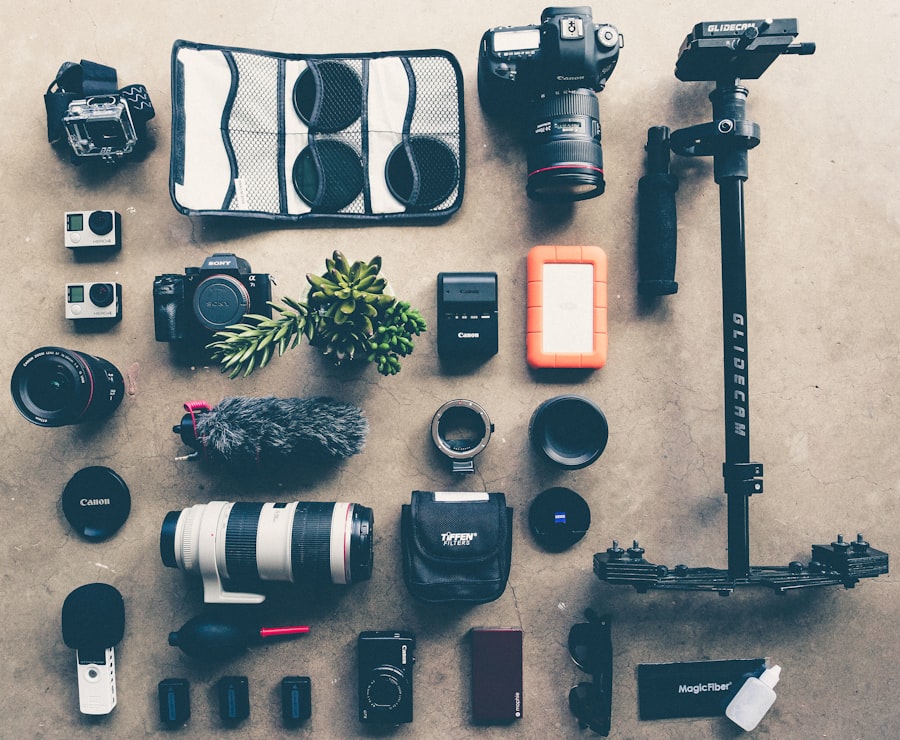
When it comes to photographing Columbia’s lakes, having the right equipment can make a significant difference in capturing stunning images. While many photographers may rely on high-end cameras and lenses, it’s essential to remember that creativity often trumps equipment quality. However, certain tools can enhance your ability to capture breathtaking shots.
A sturdy tripod is invaluable for lake photography, especially during low-light conditions such as dawn or dusk when longer exposure times are necessary. A tripod stabilizes your camera, allowing for sharper images and enabling you to experiment with different compositions without worrying about camera shake. Additionally, using filters—such as polarizing filters—can help reduce glare from the water’s surface and enhance colors, making your photographs more vibrant.
Lenses also play a crucial role in lake photography. A wide-angle lens is ideal for capturing expansive landscapes and dramatic skies, while a telephoto lens allows you to zoom in on distant subjects or wildlife without disturbing them. Having a variety of lenses at your disposal enables you to adapt to different situations and capture diverse perspectives of Columbia’s lakes.
The Importance of Patience and Timing in Lake Photography

Patience is an essential virtue for any photographer, particularly when it comes to capturing the beauty of lakes in Columbia. Nature operates on its own timeline, and waiting for the perfect moment can yield extraordinary results. Whether it’s waiting for the right light or observing wildlife behavior, taking time to immerse oneself in the environment often leads to more meaningful photographs.
Timing is equally important; understanding when to visit specific locations can significantly impact your results. For instance, early mornings often provide calm waters ideal for reflections, while late afternoons may offer dramatic lighting as the sun sets behind the horizon. Additionally, being aware of seasonal changes can help photographers anticipate how landscapes will evolve throughout the year.
Moreover, patience extends beyond just waiting for ideal conditions; it also involves being present in the moment and allowing inspiration to strike naturally. Sometimes, stepping back from your camera and simply observing your surroundings can lead to unexpected insights or ideas for future shots. By cultivating patience and honing your sense of timing, you’ll find yourself better equipped to capture Columbia’s lakes in all their glory.
Editing Techniques for Enhancing Lake Photography in Columbia
Once you’ve captured stunning images of Columbia’s lakes, editing becomes an essential step in refining your work and bringing your vision to life. Post-processing allows photographers to enhance colors, adjust exposure levels, and fine-tune details that may have been lost during shooting. Familiarizing yourself with editing software can elevate your photography from good to exceptional.
One effective technique is adjusting contrast and saturation levels to make colors pop without appearing unnatural. This is particularly useful when working with landscapes where vibrant hues are essential for conveying mood. Additionally, cropping images strategically can help focus attention on key elements within your composition while eliminating distractions from the frame.
Another valuable editing technique is utilizing layers and masks to selectively enhance certain areas of an image while leaving others untouched. This allows for greater control over how light interacts with different parts of your photograph—highlighting reflections on water while maintaining detail in surrounding foliage. Experimenting with various editing styles will help you develop your unique aesthetic while ensuring that your photographs remain true to the beauty you experienced while capturing them.
Sharing and Preserving Your Lake Photography of Columbia’s Waters
Once you’ve created a collection of captivating images showcasing Columbia’s lakes, sharing your work becomes an important aspect of your photographic journey. Whether through social media platforms or photography exhibitions, sharing your art allows you to connect with others who appreciate nature’s beauty as much as you do. Engaging with fellow photographers and nature enthusiasts can lead to valuable feedback and inspiration for future projects.
In addition to sharing your work online, consider preserving your photographs through prints or photo books. Tangible representations of your art allow you to showcase your experiences in a more personal way while creating lasting memories that can be cherished for years to come. High-quality prints can also serve as beautiful decor for your home or gifts for loved ones who share your passion for nature.
Lastly, consider contributing your photographs to conservation efforts or local organizations dedicated to preserving Columbia’s natural beauty. By sharing your work with those who advocate for environmental stewardship, you not only raise awareness about these precious ecosystems but also inspire others to appreciate and protect them as well. In doing so, you become part of a larger community dedicated to celebrating and preserving the beauty found within Columbia’s lakes for generations to come.