Farmers markets have a rich and storied history that dates back centuries, serving as vital hubs for local commerce and community interaction. In ancient civilizations, such as those in Mesopotamia and Greece, marketplaces were essential for the exchange of goods, where farmers would bring their harvests to trade with artisans and consumers. These early markets were not just about commerce; they were social gatherings where people shared news, culture, and traditions.
As societies evolved, so did the concept of the farmers market, adapting to the needs of the community and the agricultural practices of the time. In more recent history, particularly in the 20th century, the rise of industrial agriculture and mass food production led to a decline in local markets. However, the late 20th century saw a resurgence in interest for local food systems, driven by a growing awareness of health, sustainability, and the desire for fresher produce.
This revival was marked by the establishment of farmers markets across the United States and beyond, where local farmers could sell directly to consumers. Today, these markets are celebrated not only for their fresh offerings but also for their role in fostering community connections and supporting local economies.
Key Takeaways
- Village farmers markets have a long history dating back to ancient times, serving as a vital hub for local communities to buy and sell fresh produce and goods.
- Shopping at village farmers markets supports local farmers and producers, promotes sustainable and eco-friendly practices, and offers a wide variety of fresh produce and artisanal goods.
- By shopping at village farmers markets, you are directly supporting local farmers and producers, helping to boost the local economy and preserve traditional farming practices.
- Village farmers markets offer a diverse range of fresh produce and artisanal goods, providing an opportunity to discover unique and high-quality items while engaging with the local community.
- Village farmers markets are not just a place to shop, but also a space for community engagement and socializing, often hosting seasonal events and festivities that bring people together.
The Benefits of Shopping at Village Farmers Markets
Shopping at village farmers markets offers a multitude of benefits that extend beyond simply purchasing fresh produce. One of the most significant advantages is the opportunity to access seasonal and locally grown foods. When you buy directly from farmers, you are often getting produce that was harvested just hours or days before it reaches your hands.
This means that fruits and vegetables are at their peak freshness and flavor, providing a superior taste experience compared to items that have traveled long distances. Moreover, shopping at farmers markets can be a more sustainable choice. By supporting local agriculture, you reduce the carbon footprint associated with transporting food over long distances.
Additionally, many local farmers employ sustainable farming practices that prioritize soil health and biodiversity. This commitment to environmentally friendly methods not only benefits the planet but also ensures that consumers are getting high-quality products free from harmful chemicals and pesticides.
Supporting Local Farmers and Producers
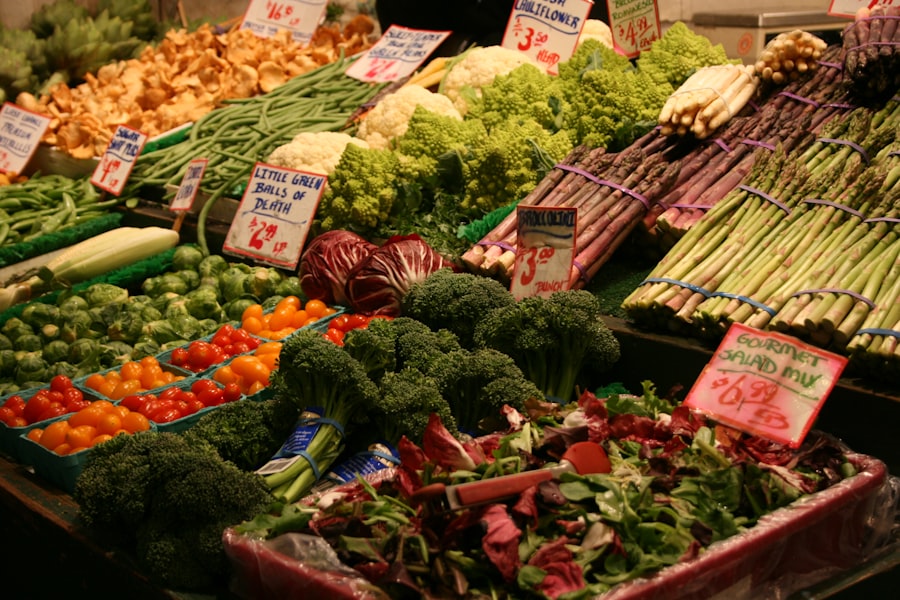
One of the most compelling reasons to frequent village farmers markets is the direct support they provide to local farmers and producers. When you purchase goods from these markets, you are investing in your community’s economy. The money spent at farmers markets typically stays within the local area, helping to sustain family farms and small businesses.
This financial support is crucial for many farmers who face challenges from larger agricultural corporations and fluctuating market prices. Additionally, buying from local producers fosters a sense of connection between consumers and their food sources. It allows shoppers to engage with the individuals who grow their food, learn about their farming practices, and understand the challenges they face.
This relationship not only enriches the shopping experience but also cultivates a greater appreciation for the hard work that goes into producing food. By supporting local farmers, consumers contribute to a resilient food system that prioritizes community well-being over corporate profit.
The Variety of Fresh Produce and Artisanal Goods
Village farmers markets are often a treasure trove of diverse offerings that go beyond just fresh fruits and vegetables. Shoppers can find an array of artisanal goods crafted by local producers, including homemade jams, baked goods, cheeses, and handcrafted items. This variety not only enhances the shopping experience but also allows consumers to discover unique flavors and products that may not be available in conventional grocery stores.
The seasonal nature of farmers markets means that the selection changes throughout the year, providing an exciting opportunity to explore new ingredients and recipes. From vibrant summer berries to hearty winter squash, each season brings its own bounty. This encourages shoppers to embrace seasonal eating, which is not only healthier but also supports local agriculture by aligning consumption with what is being harvested at any given time.
Community Engagement and Socializing
Farmers markets serve as vibrant community gathering spaces where people come together to connect with one another. The atmosphere is often lively and welcoming, filled with laughter, conversation, and shared experiences. This social aspect is one of the most cherished features of village farmers markets; they provide an opportunity for neighbors to meet, families to bond over shopping trips, and friends to enjoy a leisurely morning or afternoon together.
In addition to fostering social connections among shoppers, many farmers markets host events such as cooking demonstrations, live music performances, and workshops on sustainable practices. These activities not only entertain but also educate attendees about nutrition, cooking techniques, and environmental stewardship. By participating in these events, community members can deepen their understanding of food systems while enjoying a sense of belonging within their local area.
Promoting Sustainable and Eco-friendly Practices
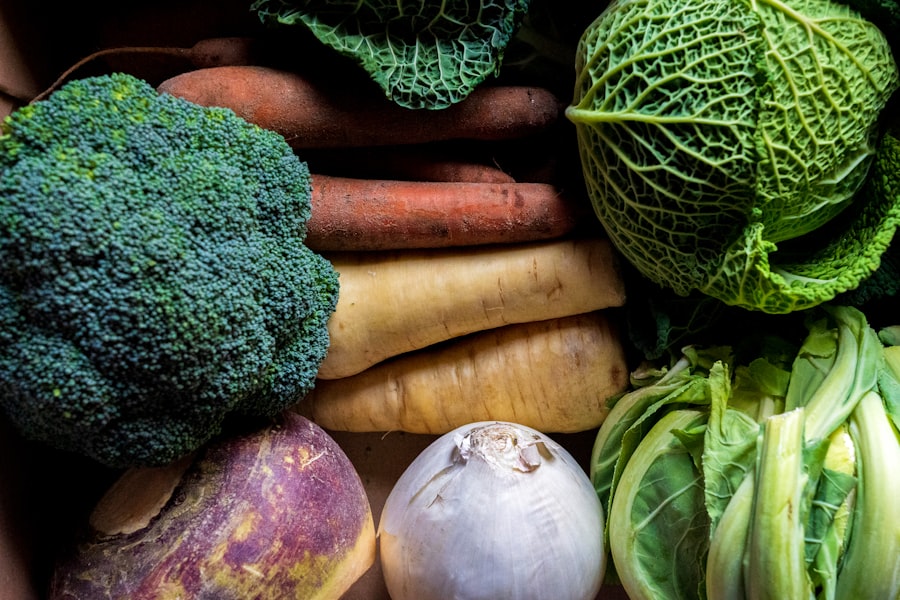
Sustainability is at the heart of many village farmers markets, which often prioritize eco-friendly practices in their operations. Many vendors utilize organic farming methods or follow sustainable agricultural principles that minimize environmental impact. By choosing to shop at these markets, consumers are supporting practices that promote soil health, reduce pesticide use, and encourage biodiversity.
Furthermore, farmers markets often implement initiatives aimed at reducing waste and promoting recycling. Many markets encourage shoppers to bring reusable bags or containers for their purchases, helping to minimize single-use plastics. Some even offer composting stations for organic waste generated during market days.
These efforts not only contribute to a healthier planet but also inspire consumers to adopt more sustainable habits in their own lives.
Seasonal Events and Festivities at Village Farmers Markets
Throughout the year, village farmers markets often host seasonal events that celebrate local culture and agriculture. These festivities can range from harvest festivals in the fall to spring plant sales or summer barbecue cook-offs. Such events create a festive atmosphere that draws in larger crowds and encourages community participation.
These seasonal celebrations often feature special activities for families, such as face painting for children or contests for the best pie made with local ingredients. Live music performances by local artists add to the vibrant ambiance, making it an enjoyable outing for all ages. By participating in these events, shoppers not only support local vendors but also engage in the rich tapestry of community life that makes village farmers markets so special.
Tips for Making the Most of Your Village Farmers Market Experience
To fully enjoy your visit to a village farmers market, there are several tips you can keep in mind. First and foremost, arrive early for the best selection of fresh produce and artisanal goods. Many vendors sell out quickly on popular items, so getting there early ensures you won’t miss out on your favorites.
Another helpful tip is to bring cash in small denominations. While some vendors may accept credit cards or mobile payments, many still prefer cash transactions. Having smaller bills on hand can make purchases smoother and quicker.
Additionally, consider bringing reusable bags or baskets to carry your purchases home sustainably. Lastly, take your time to explore all that the market has to offer. Engage with vendors by asking questions about their products or farming practices; this interaction can enhance your understanding of where your food comes from.
Don’t hesitate to try samples or ask for recommendations—many vendors are eager to share their knowledge and help you discover new favorites. In conclusion, village farmers markets are much more than just places to buy fresh produce; they are vibrant community hubs that support local economies, promote sustainability, and foster social connections. By shopping at these markets, you not only enjoy high-quality foods but also contribute to a healthier planet and a stronger community.
Embrace the experience by engaging with vendors, participating in seasonal events, and savoring the diverse offerings available throughout the year.