Village green spaces serve as vital communal hubs that foster social interaction, promote physical activity, and enhance the overall well-being of residents. These areas provide a sanctuary for individuals and families to gather, relax, and engage in recreational activities. The presence of green spaces contributes significantly to the mental and emotional health of community members, offering a respite from the hustle and bustle of daily life.
In an increasingly urbanized world, these pockets of nature become essential for maintaining a sense of community and belonging. Moreover, green spaces play a crucial role in environmental sustainability. They help mitigate urban heat, improve air quality, and support biodiversity by providing habitats for various species.
The importance of these areas extends beyond mere aesthetics; they are integral to the ecological health of neighborhoods. By promoting green spaces, communities can create a more sustainable future while enhancing the quality of life for their residents.
Key Takeaways
- Village green spaces play a crucial role in enhancing the quality of life and well-being of residents.
- Green spaces in Columbia neighborhoods have a rich history dating back to the early development of the community.
- Each Columbia neighborhood boasts unique features in its green spaces, reflecting the diversity and character of the area.
- Community engagement and involvement are essential for the maintenance and improvement of green spaces in Columbia neighborhoods.
- Green spaces offer environmental benefits such as improved air quality, biodiversity, and natural stormwater management.
History of Green Spaces in Columbia Neighborhoods
Early Beginnings
Initially, many of these areas were established as simple parks or gardens, designed to provide residents with a place to enjoy nature and engage in leisure activities.
A Shift in Priorities
In the mid-20th century, as suburbanization took hold, many neighborhoods began to prioritize the development of green spaces as a counterbalance to increasing urban density. This shift marked a turning point in how communities viewed their outdoor environments. Local governments and community organizations began to advocate for the preservation and creation of parks, playgrounds, and community gardens, recognizing their potential to improve public health and social cohesion.
A Lasting Legacy
Today, Columbia’s green spaces stand as a testament to this ongoing commitment to creating vibrant, livable neighborhoods.
Unique Features of Green Spaces in Each Columbia Neighborhood
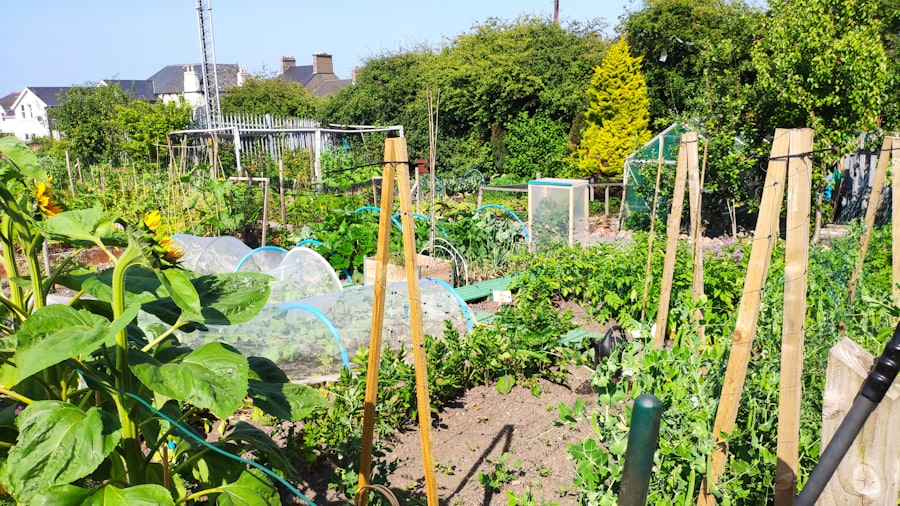
Each neighborhood in Columbia boasts its own unique green spaces, reflecting the diverse character and needs of its residents. For instance, some areas may feature expansive parks with sports facilities, walking trails, and picnic areas that cater to families and active individuals. These parks often serve as venues for community events, fostering a sense of unity among residents while providing opportunities for recreation.
In contrast, other neighborhoods may prioritize smaller, more intimate green spaces such as pocket parks or community gardens. These areas often focus on promoting local flora and fauna while providing residents with a space to cultivate their own plants and vegetables. Such gardens not only enhance the aesthetic appeal of the neighborhood but also encourage sustainable practices and foster connections among neighbors.
The variety of green spaces across Columbia neighborhoods highlights the importance of tailoring these areas to meet the specific needs and preferences of each community.
Community Engagement and Involvement in Green Spaces
Community engagement is a cornerstone of successful green spaces in Columbia. Residents often take an active role in the maintenance and development of these areas, fostering a sense of ownership and pride. Local organizations frequently host events such as clean-up days, tree planting initiatives, and educational workshops that encourage participation from all age groups.
These activities not only enhance the physical environment but also strengthen social bonds among residents. Furthermore, community involvement in green spaces can lead to innovative ideas and improvements that reflect the desires of local residents. By soliciting input from community members during planning processes, local governments can ensure that green spaces are designed to meet the needs of those who use them most.
This collaborative approach not only enhances the functionality of these areas but also empowers residents to take an active role in shaping their environment.
Environmental Benefits of Green Spaces
The environmental benefits of green spaces are manifold and play a crucial role in promoting ecological health within urban settings. One significant advantage is their ability to improve air quality by filtering pollutants and absorbing carbon dioxide. Trees and plants act as natural air purifiers, contributing to cleaner air for residents and reducing the overall impact of urbanization on climate change.
Additionally, green spaces help manage stormwater runoff by allowing rainwater to infiltrate the ground rather than overwhelming drainage systems. This natural process reduces the risk of flooding while replenishing groundwater supplies. Furthermore, these areas provide essential habitats for wildlife, supporting biodiversity within urban environments.
By preserving and enhancing green spaces, communities can create healthier ecosystems that benefit both people and nature.
Challenges and Maintenance of Green Spaces
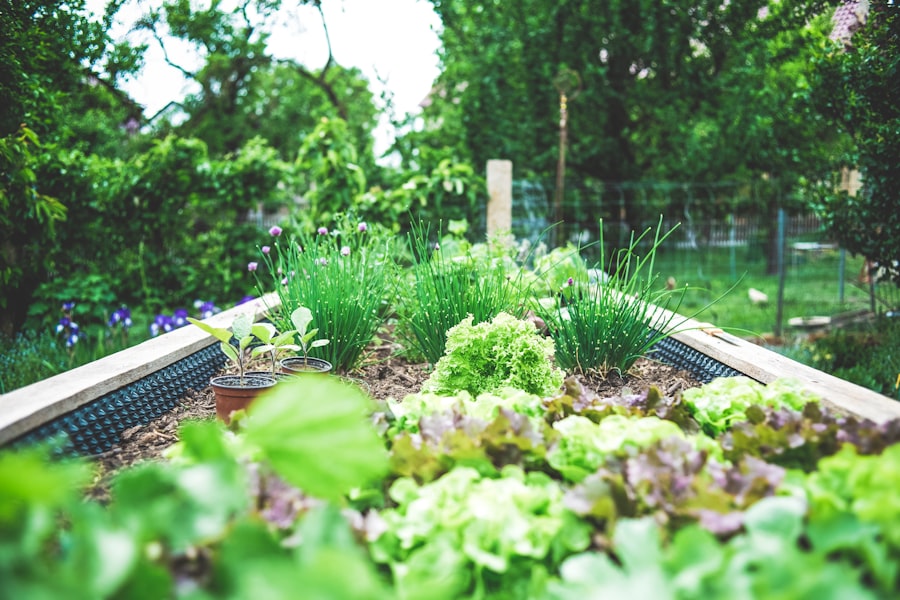
Despite their numerous benefits, maintaining green spaces presents several challenges for communities in Columbia. One significant issue is funding; many local governments struggle to allocate sufficient resources for the upkeep of parks and gardens. This can lead to overgrown vegetation, litter accumulation, and a general decline in the quality of these areas.
Engaging volunteers from the community can help alleviate some of these challenges, but consistent support is necessary for long-term sustainability. Another challenge is balancing development with preservation. As neighborhoods evolve and demand for housing increases, there is often pressure to convert green spaces into residential or commercial properties.
This can lead to conflicts between developers and community members who value these areas for their recreational and environmental benefits. Finding ways to integrate new development while preserving existing green spaces is essential for maintaining the character and livability of Columbia neighborhoods.
Future Plans for Green Spaces in Columbia Neighborhoods
Looking ahead, there are exciting plans for enhancing green spaces throughout Columbia neighborhoods. Local governments and community organizations are increasingly recognizing the importance of these areas in promoting public health, environmental sustainability, and social cohesion. Future initiatives may include expanding existing parks, creating new recreational facilities, or developing innovative programs that encourage community involvement.
Moreover, there is a growing emphasis on incorporating sustainable practices into the design and maintenance of green spaces. This may involve using native plants that require less water and maintenance or implementing eco-friendly landscaping techniques that promote biodiversity. By prioritizing sustainability in future plans, Columbia neighborhoods can ensure that their green spaces continue to thrive for generations to come.
Impact of Green Spaces on Property Values and Quality of Life
The presence of well-maintained green spaces has a positive impact on property values and overall quality of life in Columbia neighborhoods. Studies have shown that homes located near parks or green areas tend to have higher market values compared to those situated farther away. This trend underscores the importance of investing in green spaces as a means of enhancing not only community aesthetics but also economic vitality.
Beyond property values, green spaces contribute significantly to residents’ quality of life by providing opportunities for recreation, relaxation, and social interaction. Access to nature has been linked to improved mental health outcomes, increased physical activity levels, and stronger community ties. As such, prioritizing the development and maintenance of green spaces is essential for fostering vibrant neighborhoods where residents can thrive both individually and collectively.
In conclusion, village green spaces are invaluable assets that enrich Columbia neighborhoods in numerous ways. From their historical significance to their unique features and environmental benefits, these areas play a crucial role in shaping community identity and enhancing quality of life. By fostering community engagement and addressing challenges related to maintenance and development, Columbia can continue to cultivate vibrant green spaces that serve as vital resources for all residents.