The inception of Columbia, Maryland, is a story steeped in the vision of its founders, particularly James Rouse, a prominent urban planner and developer. Rouse envisioned a community that would transcend the traditional suburban model, one that would foster a sense of belonging and inclusivity among its residents. His philosophy was rooted in the belief that urban environments should be designed with the people in mind, promoting social interaction and community engagement.
Rouse’s innovative approach was not merely about constructing buildings; it was about creating a holistic living experience that would enhance the quality of life for all who called Columbia home. Rouse’s vision was ambitious, aiming to create a city that would serve as a model for future urban developments. He sought to integrate nature with urban living, ensuring that green spaces were interwoven throughout the community.
This commitment to environmental sustainability was groundbreaking at the time and set a precedent for future developments across the nation. Rouse’s dream was not just to build a city but to cultivate a thriving community where diversity and harmony could flourish, making Columbia a unique experiment in urban planning.
Key Takeaways
- James Rouse and his team were the visionaries behind the creation of Columbia, Maryland, with a focus on creating a diverse and inclusive community.
- The planning and development of Columbia involved extensive research and collaboration to create a new model for suburban living.
- The architects and designers of Columbia’s unique layout prioritized walkability, green spaces, and a sense of community in the design of the city.
- The founding families and early residents of Columbia were drawn to the city’s emphasis on diversity, inclusion, and a strong sense of community.
- Cultural and educational institutions played a significant role in shaping Columbia’s identity, with a focus on arts, education, and community engagement.
The Planning and Development of Columbia
The planning and development of Columbia began in the early 1960s, a time when suburban expansion was rapidly changing the American landscape. Rouse’s vision was brought to life through meticulous planning that emphasized mixed-use development, where residential, commercial, and recreational spaces coexisted harmoniously. This approach was revolutionary, as it challenged the prevailing notion of segregated land use that characterized many suburban areas.
The design of Columbia was intended to encourage walking and biking, reducing reliance on automobiles and fostering a sense of community among residents. The development process involved extensive collaboration with local government officials, community leaders, and residents. Rouse and his team conducted thorough research to understand the needs and desires of potential residents, ensuring that the community would be built around their preferences.
This participatory approach not only helped shape the physical layout of Columbia but also instilled a sense of ownership among its future inhabitants. As construction began, the vision of a vibrant, interconnected community started to take shape, with neighborhoods designed to promote interaction and engagement.
The Architects and Designers of Columbia’s Unique Layout
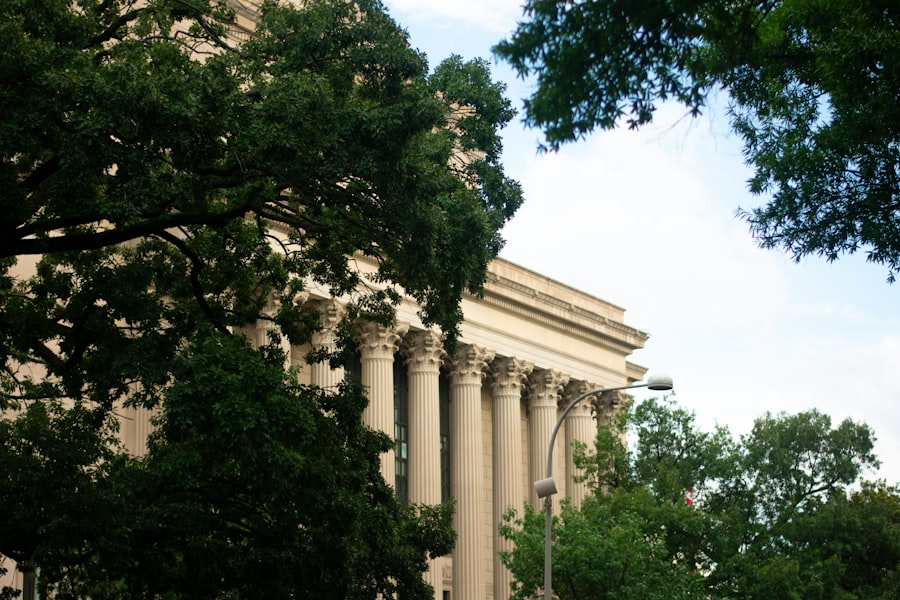
The unique layout of Columbia can be attributed to a team of talented architects and designers who worked closely with James Rouse to bring his vision to fruition. Among them was the renowned architect Peter McGowan, who played a pivotal role in designing the community’s distinctive features. McGowan’s work emphasized the integration of natural landscapes with urban elements, creating a seamless transition between built environments and green spaces.
His designs included pedestrian-friendly pathways, parks, and recreational areas that encouraged outdoor activities and social gatherings. The architectural style of Columbia is characterized by its diversity, reflecting the varied backgrounds and tastes of its residents. From contemporary townhouses to traditional single-family homes, the community’s design caters to a wide range of preferences.
This intentional variety not only enhances the aesthetic appeal of Columbia but also fosters inclusivity, allowing individuals from different walks of life to find their place within the community. The thoughtful planning and design choices made by Rouse and his team have left an indelible mark on Columbia’s identity, making it a model for future urban developments.
The Founding Families and Early Residents of Columbia
As Columbia began to take shape in the 1970s, it attracted a diverse group of founding families who were drawn to its innovative design and community-oriented philosophy. These early residents were often seeking an alternative to traditional suburban living, eager to embrace a lifestyle that prioritized connection and engagement. Many were young families looking for safe neighborhoods with access to quality schools and recreational facilities.
The sense of community fostered by Rouse’s vision resonated deeply with these families, who became integral to Columbia’s identity. The founding families played a crucial role in shaping the culture of Columbia during its formative years. They participated in community events, established local organizations, and contributed to the development of schools and recreational programs.
This grassroots involvement helped cultivate a strong sense of belonging among residents, reinforcing the idea that Columbia was more than just a collection of houses; it was a vibrant community where individuals could thrive together. The relationships formed during this period laid the foundation for Columbia’s enduring spirit of collaboration and support.
The Cultural and Educational Institutions that Shaped Columbia
Columbia’s growth as a community was significantly influenced by its cultural and educational institutions, which were established to enrich the lives of its residents. The creation of schools, libraries, and cultural centers reflected Rouse’s commitment to fostering an environment where learning and creativity could flourish. The Howard County Public School System played a vital role in providing quality education to Columbia’s children, attracting families who valued educational opportunities.
In addition to educational institutions, cultural organizations such as the Columbia Festival of the Arts emerged as vital components of the community’s identity. These events celebrated local talent and brought residents together through shared experiences in art, music, and performance. The emphasis on cultural enrichment not only enhanced the quality of life for residents but also positioned Columbia as a hub for creativity and innovation in Maryland.
This focus on education and culture has continued to evolve over the years, ensuring that Columbia remains a dynamic place for individuals and families alike.
The Businesses and Entrepreneurs that Contributed to Columbia’s Growth
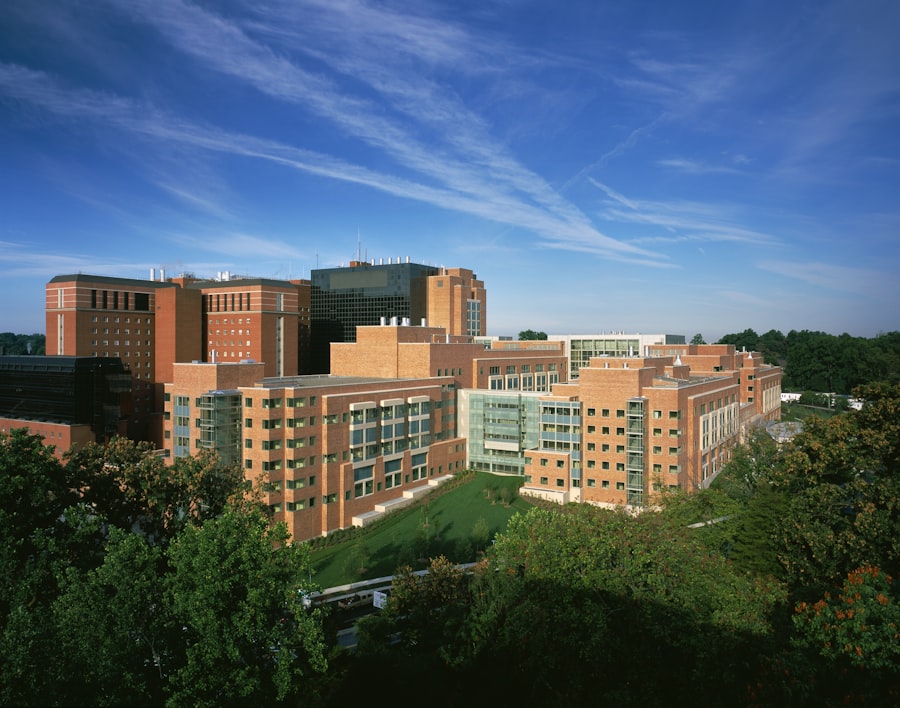
Commercial Hubs and Quality of Life
The development of commercial centers, such as The Mall in Columbia, has provided residents with access to a wide range of shopping, dining, and entertainment options, ultimately enhancing their quality of life.
Community-Focused Entrepreneurship
Entrepreneurs in Columbia have often embodied the vision of the city’s founder, James Rouse, by prioritizing community engagement and sustainability in their business practices. Many local businesses have focused on building strong relationships with residents, offering personalized services that reflect the unique character of the community. This commitment to localism has not only strengthened economic ties but has also fostered a sense of pride among residents who support their neighbors’ ventures.
A Lasting Legacy
As Columbia continues to evolve, its businesses remain integral to its identity, contributing to both economic growth and community cohesion.
The Evolution of Columbia’s Community and Identity
Over the years, Columbia has undergone significant changes as it has adapted to shifting demographics and societal trends. Initially conceived as a planned community for young families, it has evolved into a diverse urban center that attracts individuals from various backgrounds and life stages. This transformation has enriched Columbia’s identity, making it a vibrant tapestry of cultures, ideas, and experiences.
As new residents have moved into Columbia, they have brought fresh perspectives that have influenced local traditions and practices. Community events have become more inclusive, celebrating the rich diversity that characterizes modern-day Columbia. This evolution has not only strengthened social bonds among residents but has also fostered an environment where innovation thrives.
As Columbia continues to grow and change, its commitment to inclusivity remains at the forefront, ensuring that all voices are heard and valued within the community.
The Legacy of Columbia’s Creators and Their Impact on Urban Planning
The legacy of James Rouse and his team extends far beyond the borders of Columbia; their innovative approach to urban planning has left an indelible mark on cities across the United States. By prioritizing community engagement, environmental sustainability, and mixed-use development, Rouse set a new standard for how cities could be designed to enhance quality of life. His vision has inspired countless urban planners and developers who seek to create spaces that foster connection and inclusivity.
Columbia serves as a testament to the power of visionary thinking in urban development. Its success has prompted other cities to reconsider their approaches to planning and design, emphasizing the importance of creating environments that prioritize people over cars. As communities continue to grapple with challenges such as population growth and environmental sustainability, Rouse’s principles remain relevant today.
The impact of Columbia’s creators is felt not only in Maryland but also in cities nationwide that strive to emulate its model of thoughtful urban planning. In conclusion, Columbia stands as a remarkable example of what can be achieved when visionary thinking meets collaborative effort. From its inception through its ongoing evolution, this planned community has demonstrated the power of design in shaping human experiences.
As we look toward the future, it is essential to honor the legacy of those who dreamed big for Columbia while continuing to build upon their vision for generations to come.