Columbia, Maryland, a planned community located between Baltimore and Washington, D.C., is often recognized for its residential neighborhoods and vibrant commercial sectors. However, its industrial areas play a crucial role in the local economy, providing jobs, fostering innovation, and contributing to the overall economic landscape of the region. Established in the 1960s by developer James Rouse, Columbia was designed with a vision of creating a balanced community that included not only housing and retail but also spaces for industry and commerce.
This foresight has allowed Columbia to evolve into a hub for various industries, making it an attractive location for businesses seeking to capitalize on its strategic position and well-planned infrastructure. The industrial zones in Columbia are strategically located to take advantage of the area’s accessibility to major highways, railroads, and proximity to both urban centers and suburban communities. This accessibility has made Columbia an appealing destination for companies looking to establish operations in a region that offers both logistical advantages and a skilled workforce.
The industrial areas are characterized by a mix of light manufacturing, warehousing, and distribution facilities, which cater to a diverse range of sectors. As Columbia continues to grow and adapt to changing economic conditions, the importance of its industrial areas remains a focal point for local planners and business leaders alike.
Key Takeaways
- Columbia, Maryland has well-planned industrial areas that support economic growth and development.
- The planning and development of industrial zones in Columbia have been carefully executed to support a diverse range of industries.
- Infrastructure plays a crucial role in supporting industrial growth in Columbia, including transportation, utilities, and telecommunications.
- Columbia’s industrial areas are home to a variety of industries and companies, including manufacturing, technology, and logistics.
- Industrial development in Columbia has a significant economic impact, creating jobs and contributing to the local economy.
The Planning and Development of Columbia’s Industrial Zones
The planning and development of Columbia’s industrial zones were integral to the community’s overall design. The vision behind Columbia was not merely to create a residential area but to establish a self-sustaining community where residents could live, work, and play without needing to travel far from home. This holistic approach led to the deliberate inclusion of industrial zones within the community’s master plan.
The Howard County government, in collaboration with private developers, worked to ensure that these industrial areas were well-integrated into the broader urban fabric of Columbia. The development process involved careful consideration of zoning regulations, land use policies, and environmental impact assessments. The goal was to create spaces that would attract businesses while minimizing disruption to residential areas.
Over the years, various industrial parks have been established, such as the Columbia Gateway Business Park and the Oakland Mills Industrial Park. These parks have been designed with modern amenities and infrastructure that cater to the needs of businesses while promoting sustainability and environmental stewardship. The planning process has also included provisions for future expansion, allowing Columbia’s industrial zones to adapt to evolving market demands.
The Role of Infrastructure in Supporting Industrial Growth in Columbia
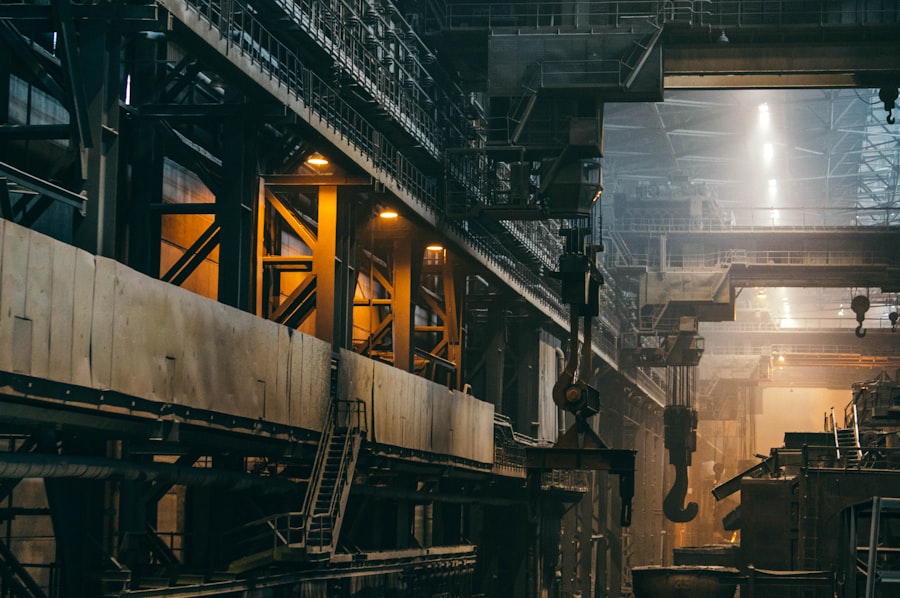
Infrastructure is a critical component in supporting industrial growth in any region, and Columbia is no exception. The town’s strategic location provides easy access to major transportation networks, including Interstate 95, Route 29, and the Baltimore-Washington Parkway. This connectivity facilitates the movement of goods and services, making it easier for companies to operate efficiently.
Additionally, the presence of the nearby Baltimore/Washington International Thurgood Marshall Airport enhances logistics capabilities for businesses engaged in international trade or requiring rapid shipping solutions. Beyond transportation infrastructure, Columbia has invested in utilities and telecommunications that are essential for modern industries. High-speed internet access is widely available, which is particularly important for technology-driven companies that rely on robust digital connectivity.
Furthermore, the local government has prioritized the development of energy-efficient utilities and sustainable practices within industrial zones. This commitment not only supports current businesses but also attracts new companies that prioritize sustainability as part of their operational strategies.
The Types of Industries and Companies in Columbia’s Industrial Areas
Columbia’s industrial areas are home to a diverse array of industries that reflect the region’s economic strengths and workforce capabilities. One prominent sector is technology, with numerous companies specializing in software development, cybersecurity, and data analytics. For instance, firms like Tenable Network Security have established their headquarters in Columbia, benefiting from the area’s skilled labor pool and proximity to research institutions such as Johns Hopkins University Applied Physics Laboratory.
In addition to technology firms, Columbia hosts a variety of manufacturing companies that produce goods ranging from consumer products to specialized equipment. The presence of companies like Medifast Inc., which focuses on health and wellness products, showcases the town’s ability to attract businesses that align with current consumer trends. Moreover, logistics and distribution companies have also found a home in Columbia’s industrial zones due to their strategic location near major highways and transportation hubs.
This mix of industries not only provides employment opportunities but also fosters collaboration and innovation among businesses operating within similar sectors.
The Economic Impact of Industrial Development in Columbia
The economic impact of industrial development in Columbia is significant and multifaceted. First and foremost, the industrial sectors contribute substantially to job creation within the community. Thousands of residents are employed in various capacities across different industries, from manufacturing roles to high-tech positions in software development.
This employment not only supports individual families but also stimulates local spending, which benefits retail businesses and service providers throughout Columbia. Furthermore, industrial development generates tax revenue for local governments, which can be reinvested into public services such as education, infrastructure maintenance, and community programs. The presence of thriving industries helps diversify the local economy, reducing reliance on any single sector and enhancing economic resilience.
Additionally, as businesses grow and expand their operations within Columbia’s industrial zones, they often invest in workforce training programs and partnerships with local educational institutions. This investment in human capital further strengthens the community by equipping residents with valuable skills that are in demand in today’s job market.
Environmental Considerations in Columbia’s Industrial Zones
Green Building Standards
Many companies operating within Columbia’s industrial zones are encouraged or required to adopt green building standards that reduce energy consumption and promote resource efficiency.
Environmental Initiatives
Initiatives such as stormwater management systems have been integrated into the planning of industrial areas to mitigate potential environmental impacts. These systems help manage runoff from impervious surfaces, reducing pollution entering local waterways. Additionally, businesses are increasingly adopting practices such as waste reduction programs and recycling initiatives as part of their corporate social responsibility efforts.
A Sustainable Future
By prioritizing sustainability within its industrial zones, Columbia not only protects its natural resources but also positions itself as an attractive location for environmentally conscious companies.
The Future of Industrial Development in Columbia, Maryland
Looking ahead, the future of industrial development in Columbia appears promising as the community adapts to emerging trends and challenges in the global economy. One significant trend is the increasing demand for e-commerce and logistics services driven by changing consumer behaviors. As online shopping continues to grow in popularity, there is a corresponding need for efficient distribution centers that can handle last-mile delivery effectively.
Columbia’s strategic location makes it well-suited to accommodate this demand. Additionally, advancements in technology are likely to influence the types of industries that thrive in Columbia’s industrial zones. The rise of automation and artificial intelligence may lead to new opportunities for tech-driven manufacturing processes or smart logistics solutions.
Local policymakers are already exploring ways to support innovation through incentives for research and development initiatives within industrial areas. Furthermore, as sustainability becomes a central focus for many industries worldwide, Columbia’s commitment to green practices will likely attract businesses looking for environmentally responsible locations.
The Importance of Industrial Areas in Columbia’s Economy
The industrial areas of Columbia, Maryland are vital components of the local economy that contribute significantly to job creation, economic diversification, and community development. Through careful planning and investment in infrastructure, these zones have evolved into thriving hubs for various industries that reflect both current market demands and future trends. As Columbia continues to navigate the complexities of economic growth while prioritizing sustainability and innovation, its industrial sectors will remain essential drivers of prosperity for years to come.
FAQs
What are the industrial areas in Columbia, Maryland?
The industrial areas in Columbia, Maryland include the Columbia Gateway Business Park, Oakland Ridge Industrial Park, and the Dorsey’s Search Village Center.
How were the industrial areas in Columbia, Maryland planned?
The industrial areas in Columbia, Maryland were planned as part of the overall development of the city, with a focus on creating a balanced and diverse economy.
What types of industries are located in the industrial areas of Columbia, Maryland?
The industrial areas in Columbia, Maryland are home to a variety of industries, including technology, manufacturing, distribution, and professional services.
How has the development of industrial areas in Columbia, Maryland impacted the local economy?
The development of industrial areas in Columbia, Maryland has contributed to the growth of the local economy by attracting businesses, creating jobs, and generating tax revenue.
What factors were considered in the planning of the industrial areas in Columbia, Maryland?
The planning of the industrial areas in Columbia, Maryland took into account factors such as transportation infrastructure, environmental impact, and compatibility with surrounding residential and commercial areas.
What measures have been taken to ensure the sustainability of the industrial areas in Columbia, Maryland?
Efforts to ensure the sustainability of the industrial areas in Columbia, Maryland include the implementation of green building practices, energy efficiency initiatives, and environmental stewardship programs.